How to Choose the Best EV Wall Charger for Your Electric Vehicle?
Choosing the right EV wall charger is crucial for every electric vehicle owner. Renowned industry expert, Dr. Jane Thompson, states, "A good EV wall charger can transform your EV experience." With the right installation, users can enjoy faster charging times and greater convenience.
When evaluating options, consider your vehicle’s compatibility, charging speed, and installation space. Different chargers offer unique features and power levels. This decision process may feel overwhelming at times, especially with numerous brands available. It’s important to focus on reliability and the reputation of the manufacturer.
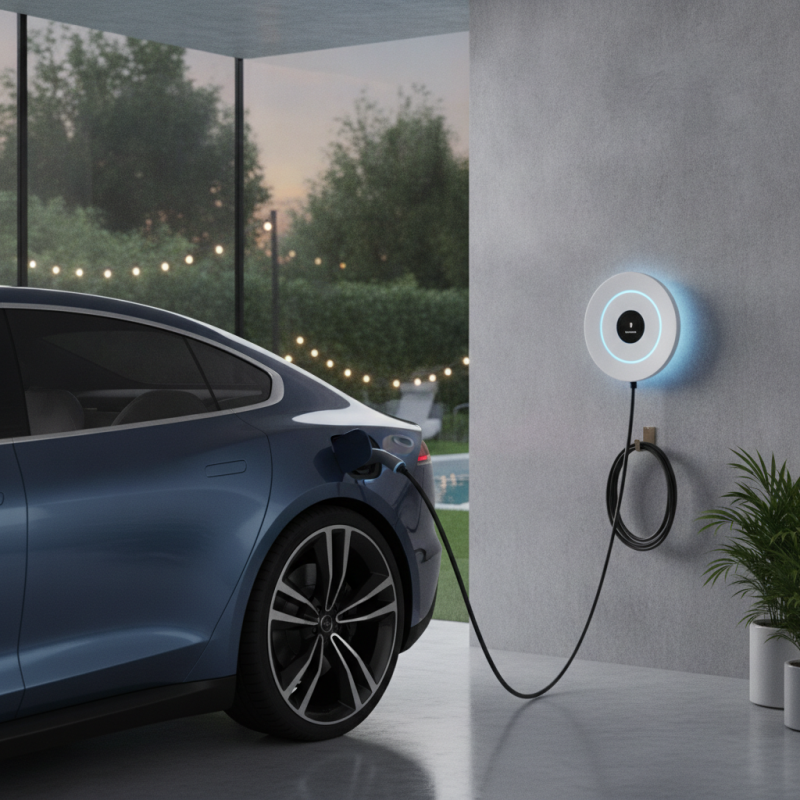
While many people instinctively choose the most popular models, personal needs often go unmet. Buyers might overlook the technical specifications that fit their lifestyle. Visualize a home with a well-placed charger. Imagine the time saved and peace of mind. Not every option will suit every user. Reflect on what you truly need for your electric vehicle.
Understanding Different Types of EV Wall Chargers Available in the Market
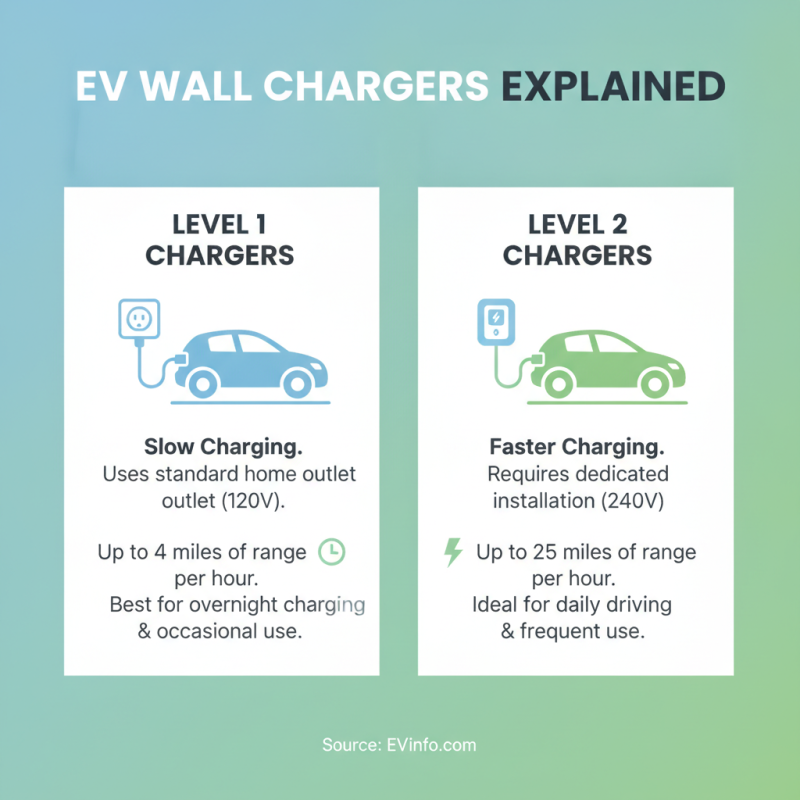
When selecting an EV wall charger, understanding the different types available is crucial. Level 1 chargers, often standard household outlets, provide a slow but easy way to charge. They are suitable for overnight charging but may not meet the needs of daily drivers. Level 2 chargers are more efficient, offering faster charging times. These are ideal for those who use their EVs frequently.
For those looking into charging options, consider your daily mileage and how often you charge. This will help you determine the type of charger best suited for your lifestyle. Additionally, assessing the electrical capacity of your home can assist in choosing a charger that will work without overloading your system.
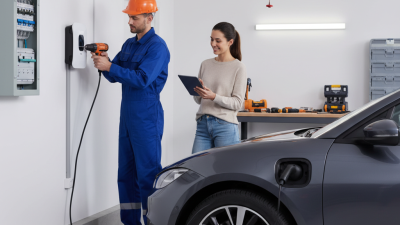
It's essential to think about the installation process too. Some chargers require professional installation to ensure safety and reliability. Don’t forget about features like smart technology, which allows you to monitor and control charging remotely. Always read reviews to gauge real user experiences. Not all chargers perform as advertised, and user feedback can reveal unexpected issues.
Key Features to Consider When Selecting an EV Wall Charger
Selecting the right EV wall charger is crucial for electric vehicle owners. One of the key features to consider is charging speed. Look for chargers with adjustable power settings. This can accommodate different vehicles and charging needs. A higher wattage translates to faster charging times, which can be essential for daily use.
Another important aspect is compatibility. Not all chargers work with every electric vehicle. Ensure the charger you select is compatible with your car's charging port type. It’s also wise to consider installation requirements. A charger may need a dedicated circuit, which requires a professional installation. This can add to the overall cost and time.
Don't overlook smart features. Many EV chargers offer Wi-Fi connectivity and smartphone apps. These features enhance the charging experience. They allow you to monitor charging status remotely. However, some users may find the technology overwhelming. Ensure that the user interface is easy to navigate. Finally, consider safety certifications. Chargers should meet safety standards to protect both the vehicle and property.
Evaluating Charging Speed and Power Requirements for Your EV
When choosing an EV wall charger, understanding charging speed and power requirements is essential.
Charging speed is often measured in kilowatts (kW).
Faster chargers typically deliver between 7 kW to 22 kW for home use.
This speed influences how quickly your vehicle can charge. If you drive frequently or have a long commute, a faster charger may be beneficial.
However, it's crucial to consider your daily driving habits. Are you charging overnight or during the day?
Power requirements are equally important. Check the electrical capacity of your home.
Most residential properties can support chargers ranging from 16 amps to 40 amps.
Ensuring that your electrical system can handle the charger’s power is vital. Overloading can cause safety issues.
You might also want to consult an electrician. They can evaluate your home’s wiring and provide expert advice.
Keep in mind that not all EVs are built the same. Different models have various charging capabilities.
Reflect on the manufacturer's specifications for your vehicle. Consider potential future needs as well.
If you upgrade to a newer model, will your charger still be compatible?
Addressing these questions can help prevent complications down the road. Remember, a charger is a
long-term investment.
It’s worth taking the time to assess the best options for your specific situation.
Assessing Installation Needs and Costs for EV Wall Chargers
When assessing installation needs for an EV wall charger, the first step is to evaluate your home’s electrical capacity. Knowing the current amperage of your main service panel is vital. A typical panel may handle between 100 to 200 amps, but not all can support a high-capacity charger. You might need an electrical upgrade, which can be an added expense. This step requires a professional assessment to ensure safety and compatibility.
Next, consider the location for installation. Having your charger near your parking space is ideal. Factors like distance from the power source can affect installation costs. Prepare for potential trenching or additional wiring. If you live in a home with shared parking, securing access can complicate matters. These elements can lead to unexpected delays. It's crucial to gather multiple quotes from electricians. Compare their experience and ratings.
Take your time to research and reflect on these aspects. This work may feel tedious, but a well-planned setup will save you money and frustration in the long run.
Exploring Smart Charging Options and Connectivity Features in EV Chargers
When choosing an EV wall charger, smart charging features are essential. These chargers connect seamlessly to your home Wi-Fi. This allows for remote management via a mobile app. You can check charging status, schedule sessions, and analyze energy consumption from anywhere. Imagine driving home and finding your car fully charged, thanks to a scheduled charge during off-peak hours.
Connectivity options also play a key role. Some chargers offer integration with smart home systems, allowing control through voice commands. However, not all chargers ensure compatibility. It’s crucial to research which systems work well together. User reviews often highlight these challenges. A lack of compatibility can lead to frustration and wasted time.
Observing your charging needs is important. Your daily driving habits influence the type of charger you need. If you drive short distances, a Level 1 charger may suffice. But for longer trips, investing in a Level 2 charger makes sense. Balancing efficiency and cost can be daunting. Each decision may lead to reflections on energy usage and long-term benefits. Assessing your personal requirements could save you from unnecessary mistakes.