Installing a Home Car Charging Point can be a transformative experience for EV owners. This technology allows drivers to power up their vehicles conveniently at home. Industry expert Jack Thompson, CEO of ChargeWise, stated, “Home car charging points are key to embracing electric mobility.” This highlights the importance of having a reliable charging solution at home.
Setting up a charging point is not as complex as it sounds. However, it does require careful consideration. You need to assess your home’s electrical capacity and choose the right charger. Many homeowners feel overwhelmed with the technical aspects. Mistakes can lead to costly upgrades or safety hazards. It’s crucial to plan and research before installation.
Having the right guidance can simplify the process. Finding a reputable electrician will set you on the right path. They can help identify the best location for your charging point. Don’t overlook the potential challenges. Engage in discussions and seek expert advice to ensure a smooth installation. By taking these steps, you can confidently embrace the benefits of a Home Car Charging Point.
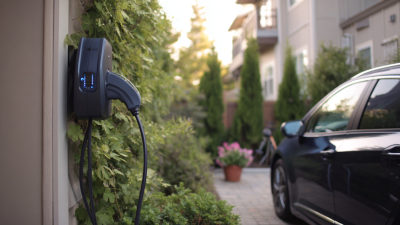
Choosing the right location for your home car charging point is critical for convenience and efficiency. Ideally, it should be situated close to your parking space. A short distance minimizes cable wear and avoids potential trip hazards. Consider existing electrical infrastructure. Proximity to your home’s main electrical panel can save on installation costs.
Lighting is another key factor. Ensure your charging point is well-lit for nighttime use. This increases safety and helps prevent accidents. A sheltered area protects the charger from the elements, extending its lifespan. Even small details, like weatherproof covers, can make a big difference.
Tips: Take a moment to visualize your daily routine. Where do you most often park? Assess how charging mobility may impact your lifestyle. Try using chalk to mark potential spots before installation—this visual cue may spark new ideas. Don’t rush the decision; think about future vehicle upgrades too. What works now might not suit your next car.
When considering a home car charging point, understanding the types of electric vehicle (EV) chargers is essential. There are three main types: Level 1, Level 2, and DC Fast Chargers. Level 1 chargers use a standard 120-volt outlet, providing about 4-5 miles of range per hour of charging. This is convenient for overnight charging but quite slow. According to the Department of Energy, many homeowners find this sufficient for daily driving needs.
Level 2 chargers operate at 240 volts. They can deliver between 10 to 60 miles of range in just one hour. These chargers are ideal for home installations and often come with adjustable amperage options. A report by the International Energy Agency highlights that more than 85% of EV owners prefer Level 2 charging at home. This choice balances speed and efficiency without requiring extensive electrical upgrades.
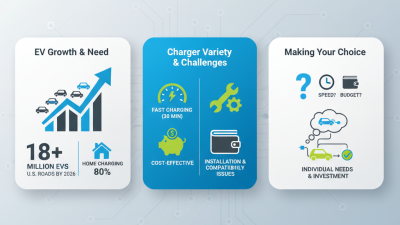
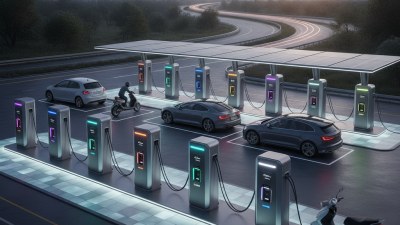
DC Fast Chargers, while not commonly installed at home, are worth mentioning. They can charge an EV to 80% in about 30 minutes. However, they are generally found at commercial sites because of their high installation costs and power requirements. The evolving infrastructure landscape shows a growing need for reliable home charging solutions that prefer Level 2 chargers, providing a quicker route to complete electric vehicle switch-over.
| Charger Type | Charging Speed | Connector Type | Ideal Use Case | Estimated Cost |
|---|---|---|---|---|
| Level 1 Charger | 4-5 miles per hour | NEMA 5-15 | Home use, overnight charging | $300 - $600 |
| Level 2 Charger | 10-20 miles per hour | NEMA 6-20, J1772 | Faster home charging, small businesses | $500 - $1,200 |
| DC Fast Charger | 60-100 miles in 30 minutes | CHAdeMO, CCS | Public charging stations, commercial use | $10,000 - $40,000 |
| Solar-Powered Charger | Varies based on sunlight | J1772 | Eco-friendly home use | $1,000 - $5,000 |
When considering the installation of a home car charging point, assessing your home's electrical system is crucial. It helps determine if your current wiring can handle the extra load. Many homes have older electrical systems that may not support high-power chargers. Check the main electrical panel first. Look for the total amperage rating. A typical home might have a 100 or 200-amp panel.
Next, evaluate the wiring in your garage or parking area. Ensure it meets local electrical codes. Wiring should typically be 12-gauge or thicker for optimal safety and performance. If you're uncertain about the wiring, consult a qualified electrician. They can provide guidance tailored to your situation.
Consider your electricity consumption habits as well. Do you use multiple high-demand appliances simultaneously? This could strain your electrical system further. Proper assessment will not only ensure safety but also enhance efficiency. Think about any upgrades you might need, and the implications for your energy bills. Investing in a charging point is worthwhile, but it demands careful planning and thought.
This chart represents the typical electrical capacity of residential structures and their corresponding ability to support home car charging points. Understanding your home's electrical capacity is crucial for ensuring efficient and safe charging for your electric vehicle.
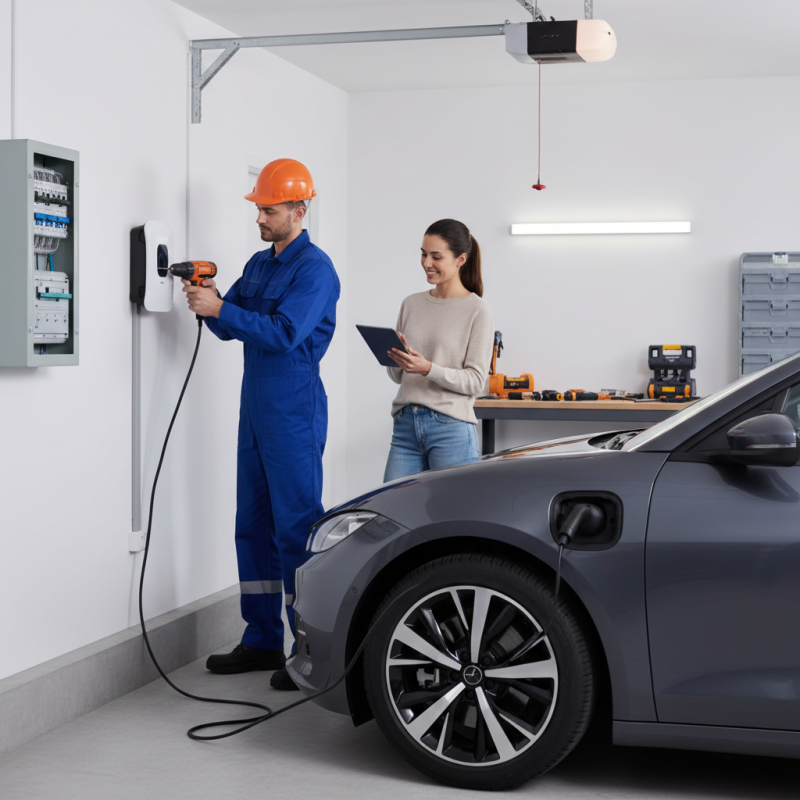
When installing a home car charging point, safety precautions are crucial. Start by gathering essential tools. You will need a power drill, screwdrivers, wire strippers, and a voltage tester. Ensure you wear safety goggles and gloves. This protects you from accidental injuries.
Before you begin, turn off the power supply to the area. Double-check that there is no electric current. It’s wise to consult a professional if you feel uncertain about handling electrical work. Safety isn't just important; it’s necessary.
Next, choose a suitable location for the charging point. It should be accessible and near the electrical panel.
Be aware of local building codes. Not all installations are the same. Some may require permits or inspections. Also, consider the weather. Outdoor installations need weatherproofing to avoid damage.
Reflecting on your setup can highlight areas for improvement. It’s better to prioritize safety and quality over speed. Take your time, and ensure every step is done correctly.
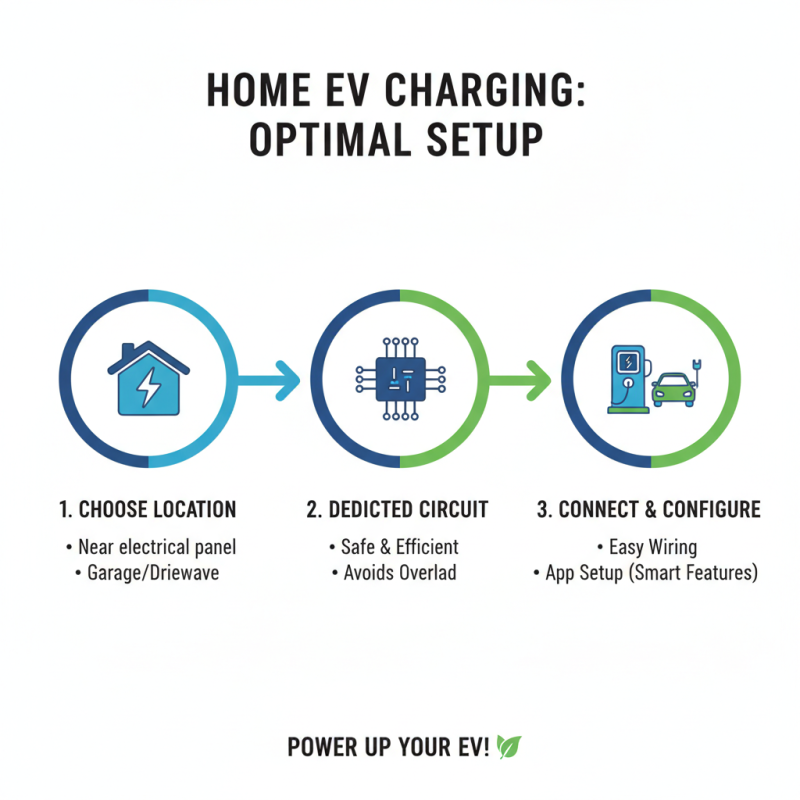
Installing a home car charging point can seem challenging, but understanding the connection and configuration process makes it easier. Begin by selecting a suitable location for your charging station. Look for a spot close to your electrical panel, ideally within a garage or driveway. This minimizes the complexity of wiring and installation. A dedicated circuit is essential. It ensures optimal performance and avoids overloading your home’s electrical system.
Once the charging point is in place, focus on the configuration. Most modern charging stations come with apps or interfaces that guide users. Follow the prompts to set the charging speed and schedule. Charging during off-peak hours can save money. Check the compatibility with your electric vehicle, as not all stations support every model. Sometimes, these interfaces can be confusing. Take your time to read the manual carefully.
Monitoring energy usage is also crucial. Many stations provide insights into your charging habits. Reflect on your charging patterns to adjust settings for efficiency. If you encounter any issues with the connection, don’t hesitate to consult a professional electrician. They can provide advice tailored to your specific situation. Keep safety as the top priority throughout the installation and configuration process.