Top 10 Ev Charging Point Solutions for Global Buyers?
The global electric vehicle (EV) market is experiencing extraordinary growth. According to the International Energy Agency, EV sales reached 6.6 million units in 2021, and are expected to surpass 30 million by 2030. This surge emphasizes the urgent need for efficient EV charging point infrastructures.
As nations move toward sustainability, the development of EV charging points becomes critical. The U.S. Department of Energy projects that over 1.3 million charging points will be necessary by 2030 to support the anticipated EV population. Yet, challenges remain. Some areas lack sufficient charging stations, leading to "charging deserts."
Moreover, interoperability among various EV charging solutions poses another hurdle. Buyers must navigate an evolving landscape filled with different technologies and standards. Identifying the top 10 EV charging point solutions can alleviate confusion. These solutions not only provide reliability but also enhance user experience. As the market matures, prioritizing robust networks remains essential for future growth.
Overview of Electric Vehicle Charging Needs for Global Buyers
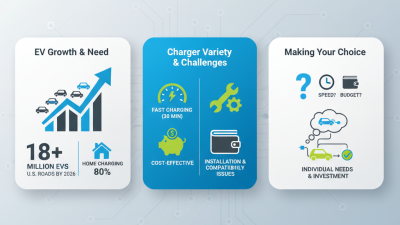
Electric vehicle (EV) charging infrastructure is crucial for global buyers. As the demand for electric vehicles surges, so too does the need for efficient charging solutions. Buyers face various challenges, including compatibility, installation, and maintenance concerns. Selecting the right charging point solution involves understanding these needs and evaluating options thoroughly.
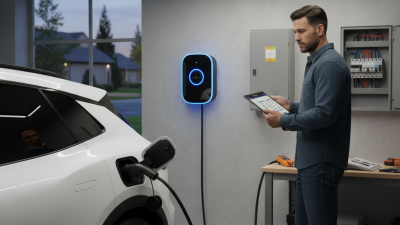
Consider the installation process. Many buyers overlook the importance of site assessments. Each location varies; residential, commercial, and public spaces all present unique requirements. Evaluating electrical capacity is essential before installation. This ensures that the chosen solution can handle the demand and minimize downtime.
Tips: Always ask for a site evaluation before committing. Additionally, explore mobile applications that can help locate nearby charging stations. Researching user reviews can offer insights into the reliability of different solutions. Some buyers may find themselves frustrated by high installation costs or long lead times. Being aware of these potential pitfalls may help in making informed decisions.
Key Features to Consider When Selecting EV Charging Solutions
When selecting EV charging solutions, several key features should be prioritized. First, consider the charging speed. Different chargers offer varying levels of power output. Faster charging can significantly reduce downtime, which is crucial for businesses and individuals alike. Pay attention to compatibility with different vehicle models too. This ensures the solution can serve a variety of users.
Another important factor is the connectivity options. Smart chargers provide features like remote monitoring and user management. These can enhance user experience and operational efficiency. User interfaces should be intuitive. Complex systems may deter users, leading to frustration and reduced adoption.
Future-proofing is essential. The EV industry is rapidly evolving. Choose systems that can be easily updated or expanded. This way, you can incorporate advancements in technology as they emerge. Reflection on current infrastructure is also vital. Existing electrical systems must be assessed to ensure they can handle new installations. This can prevent costly upgrades down the line.
Top 10 EV Charging Point Solutions
This chart illustrates the estimated charging speed (in kW) of various EV charging point solutions available globally. The charging speed is a key feature to consider when selecting an EV charging solution.
Top Brands in the EV Charging Point Market
The electric vehicle (EV) charging point market is rapidly evolving. Research indicates a significant growth trajectory, with projections suggesting a value of around $40 billion by 2027. As global demand for EVs increases, so too does the need for efficient charging solutions.
Key players in this market contribute diverse offerings. They prioritize user experience and speed, enhancing convenience for EV owners. Reports show that fast charging stations are in high demand, as drivers seek quick, reliable power sources. Leading brands focus on creating user-friendly interfaces and robust, durable equipment, to ensure reliability.
**Tip:** When considering an EV charging solution, check for compatibility with various vehicle types. It ensures wider accessibility and usability.
Another aspect to consider is location. Strategic placement of charging stations can significantly affect usage rates. Areas with high traffic or near popular destinations tend to see more frequent use. Some studies reveal that well-placed stations can see a utilization rate five times higher than others.
**Tip:** Think about the potential for integrating renewable energy sources. This could not only improve sustainability but also attract a more eco-conscious customer base.
While progress is notable, challenges remain. Infrastructure development and local regulations can slow down expansion. Organizations must adapt continuously to changing technologies and consumer expectations to stay relevant in this competitive landscape.
Comparison of Charging Speed and Technology in EV Solutions
As the electric vehicle market grows, understanding charging speed and technology becomes vital.
Different solutions exist, each with unique capabilities. Some charge vehicles faster than others.
This speed is crucial for users needing quick turnaround times.
AC and DC charging technologies are widespread.
AC chargers are commonly used at home but are slower. They typically deliver lower power levels, which can lead to longer waiting times.
In contrast, DC chargers are designed for rapid charging. They provide high power levels, allowing for quick recharges on long journeys.
Tips: Consider your charging needs. If you drive long distances, opt for fast DC chargers.
For daily commutes, AC chargers might suffice.
When comparing speed and efficiency, think about the infrastructure.
Not all regions have equal access to charging networks. Users may find it challenging to locate a fast charger when needed.
Furthermore, not every vehicle is compatible with all types of chargers.
Tips: Research local charging options before buying an EV.
Planning is essential for minimizing downtime. Remember, slow options might hinder your experience.
Cost Considerations and Financial Incentives for EV Charging Points
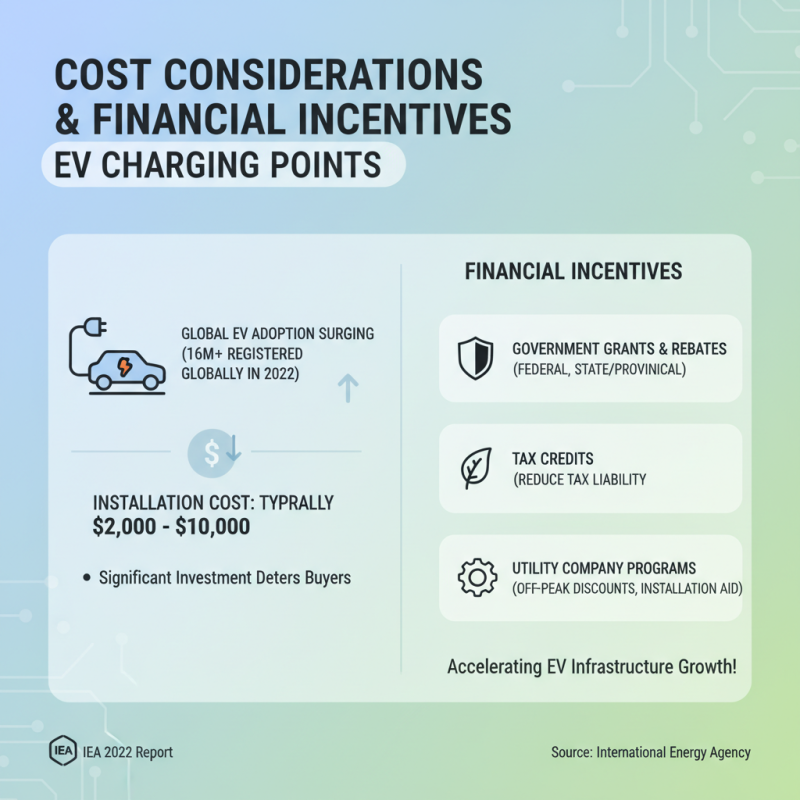
As electric vehicle (EV) adoption grows, cost considerations for charging points become crucial. A 2022 report from the International Energy Agency (IEA) noted that over 16 million EVs were registered globally. As of now, the demand for charging infrastructure is surging. The installation cost of an EV charging point typically ranges from $2,000 to $10,000. This significant investment deters some potential buyers.
Financial incentives can help overcome these barriers. Many governments offer subsidies or tax credits for the installation of charging stations. According to the U.S. Department of Energy, state incentives can cover up to 50% of installation costs. Furthermore, electricity prices fluctuate, affecting operational costs. Some regions also have time-of-use rates, where charging during off-peak hours can lead to savings.
Despite the financial assistance, challenges persist. There is uneven distribution of charging points, leading some areas to become underserved. Accessibility remains a concern, particularly in rural locations. Policymakers must address these imbalances to ensure equitable access to EV charging infrastructure. Incentive programs should continually adapt to reflect the evolving market and technology landscape.