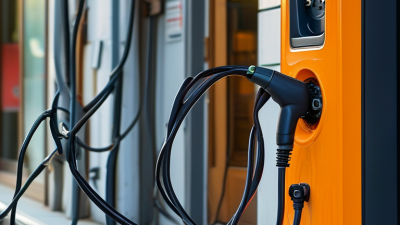
What Is the Best Home Fast Charger?
Choosing the best Home Fast Charger is not simply a race for the highest charging speed. It is a practical decision involving your vehicle, electrical panel, parking space, budget, and daily routine. A charger rated at 11 kW may appear impressive, yet your car might accept only 7.4 kW. In that case, extra capacity stays unused.
Tom Moloughney, an EV charging expert, has often emphasized, “There is no one-size-fits-all solution.” That principle matters at home. A reliable Home Fast Charger should match your battery size, driving distance, and available electrical supply. It should also offer clear safety certifications, stable software, weather protection, and a cable long enough to reach your parking position without stretching.
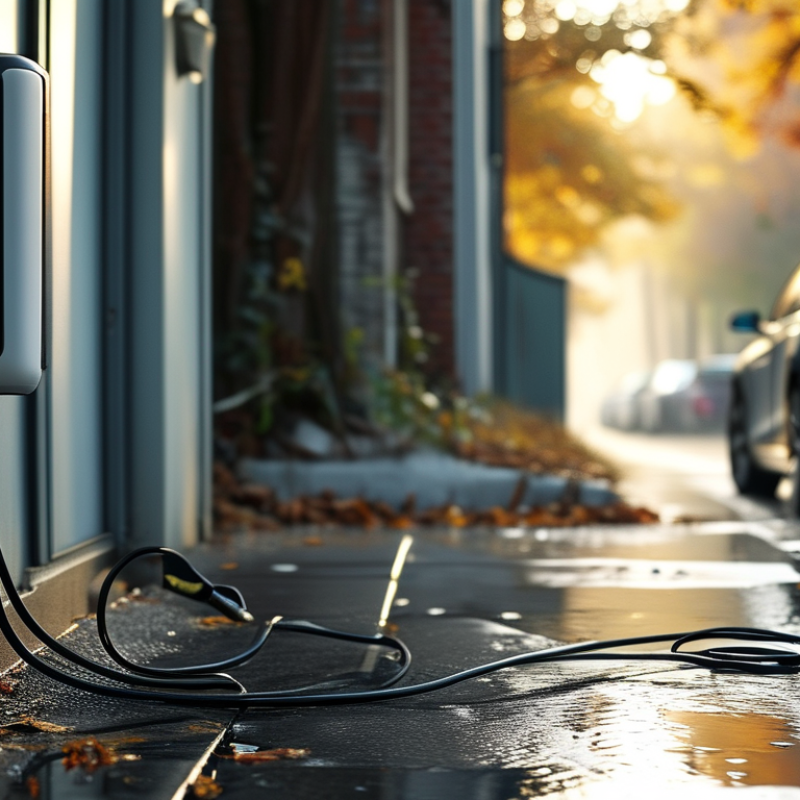
Small details matter. A poorly placed wall unit can leave the connector resting in rainwater. A short cable may force daily parking adjustments. A smart charger can schedule charging during lower-cost hours, but only if its app works consistently. Apps can fail. Wi-Fi can disappear.
That is the uncomfortable part.
The fastest model is not always the best model. Installation quality can matter more than an attractive specification sheet. A qualified electrician should inspect the circuit, grounding, breaker capacity, and local requirements before installation. This guide compares charging speed, safety, compatibility, operating cost, durability, and real-world convenience. It also questions common marketing claims, because a dependable overnight charge often matters more than impressive numbers on a product box.
What Defines a Home Fast Charger Under SAE J1772 and IEC Standards
What Is the Best Home Fast Charger?
What Defines a Home Fast Charger Under SAE J1772 and IEC Standards
A home fast charger is usually a Level 2 AC system, not a faster version of a household outlet. It commonly uses 208–240 volts and can deliver several kilowatts. Charging speed still depends on the vehicle’s onboard charger, circuit capacity, and battery temperature. The wall unit cannot force the car to accept more power.
SAE J1772 defines the AC charging connection and communication used widely in North America. Its control pilot helps the charger and vehicle agree on safe current levels. Under the standard, some equipment can support high current, but home installations often operate below the maximum. The electrician, wiring, breaker, and local rules set the practical limit.
IEC standards describe related charging modes, communication, plugs, and safety requirements for many international markets. IEC 61851 focuses on charging system control, while IEC 62196 covers connector interfaces. “Fast” is not one universal IEC speed category. That distinction matters.
A reliable choice should list voltage, maximum current, protection features, and compatibility clearly. Check whether the circuit supports continuous charging for several hours. Heat at the socket, loose connections, or repeated breaker trips deserve immediate attention. The label can mislead. A higher advertised output may provide no benefit if the vehicle accepts less power. I would compare measured charging performance, installation quality, and standard compliance rather than chase the largest number.
Which Charger Features Improve Safety, Efficiency, and Grid Compatibility
What Is the Best Home Fast Charger?
A strong home fast charger protects the vehicle, household wiring, and local electrical network. Adjustable current control matters when a house shares power with an oven or heat pump. Dynamic load balancing reduces overload by lowering charging speed during peak demand. It is less dramatic than maximum power, but often more practical.
Safety and Installation
Safety features should include temperature sensors, overcurrent protection, and residual-current monitoring. A weather-resistant enclosure is important for outdoor walls and winter moisture. Look for clear fault alerts, secure cable handling, and automatic shutdown after abnormal heat.
Professional installation also matters. An electrician should check cable size, grounding, breaker capacity, and local electrical requirements.
Efficiency improves through scheduled charging and power tracking. Charging during lower-demand hours may reduce grid strain and household costs.
Smart Energy Management
Solar-aware controls can use surplus electricity, although cloudy weather makes this feature imperfect. Grid-friendly chargers can respond to demand signals or limit current during neighborhood peaks. That support helps avoid unnecessary infrastructure upgrades.
I once assumed the fastest setting was always best. It was not. A slightly slower session created less heat and worked better with the home's limited supply.
Users should also review software settings regularly, because a smart charger can still make a poor decision when data or connectivity fails.
How Installation Costs, Circuit Ratings, and AFDC Data Shape Charger Choice
What Is the Best Home Fast Charger?
The best home fast charger depends on your electrical panel, driving distance, and installation budget. The U.S. Department of Energy’s Alternative Fuels Data Center (AFDC) identifies Level 2 charging as 208–240 volts, commonly delivering 7.2 to 19.2 kilowatts. That range can refill many vehicles overnight, but faster is not always better.
Circuit ratings matter. A 48-amp charger generally requires a 60-amp circuit because the National Electrical Code treats EV charging as a continuous load. Older homes may need panel upgrades, load management, or new wiring. Installation costs can rise sharply when electricians must trench through concrete or run cable over long distances. Industry cost surveys often place standard installations near $800–$2,000, while complex projects can exceed $3,000. Local permits change the final number.
Tips: Check the panel first. Ask for a written load calculation. Compare total installed cost, not charger price alone. AFDC data helps compare public charging coverage by location, but it cannot confirm your home’s wiring capacity. NREL’s EVI-Pro research also shows that home charging remains central to future charging demand. That makes reliability more valuable than impressive peak power. I once underestimated cable length; the quote changed after a site visit. Small details matter. A 32-amp unit may be enough for short commutes, while frequent highway driving can justify a higher-rated circuit. Yet oversized equipment can waste money when the vehicle accepts less power.
How to Select the Best Home Fast Charger for Your EV and Driving Needs
What Is the Best Home Fast Charger?
Selecting the best home fast charger starts with your driving routine, not its maximum power. A typical 7.4 kW or 11 kW AC charger can add substantial range overnight. If you drive 40 miles daily, extreme charging speed may offer little practical benefit. Check your vehicle’s onboard charging limit first. A faster wall unit cannot exceed it. Measure twice.
Your home’s electrical capacity matters just as much. Ask a licensed electrician to inspect the panel, cable route, earthing, and dedicated circuit. Some properties may need load management or an electrical upgrade. Choose a charger with adjustable current settings when household demand changes during the evening. That detail matters. A long cable can reach a driveway more easily, but it may become heavy, expensive, and awkward to store.
Look for clear safety certification, weather protection, overheating safeguards, and a dependable warranty. Smart scheduling can use cheaper off-peak electricity, where available, while reducing pressure on the grid. Confirm connector compatibility and installation requirements before purchasing. I would not select a charger only because it claims the fastest speed. Real charging performance depends on temperature, battery condition, cable quality, and available power. Your first estimate may be wrong. Track your weekly mileage for several days, then match the charger to that evidence rather than a perfect-looking specification sheet.
What Is the Best Home Fast Charger?
Select a home charger by matching its power output with your EV’s onboard charging capacity, electrical service, installation cost, and daily driving needs.
Estimated range assumes an EV efficiency of 3.5 miles per kWh. Actual results vary with vehicle efficiency, battery temperature, charging losses, and the vehicle’s onboard AC charging limit. A 240-volt charger between 7.2 and 11.5 kW is suitable for many daily-driving needs, while higher output requires compatible vehicle hardware and sufficient home electrical capacity.