Best Ev Wall Charger Options for Global Buyers to Consider?
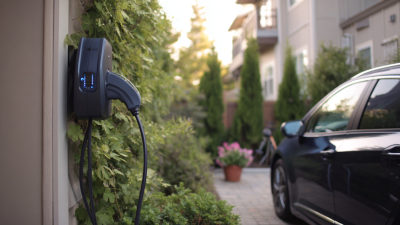
As the demand for electric vehicles (EVs) grows, finding the right EV wall charger becomes essential. This decision impacts charging speed, compatibility, and overall user experience. Numerous options are available, making it vital for global buyers to understand what to consider.
Selecting an EV wall charger requires careful thought. Factors include power output, installation requirements, and durability. Different regions may have varied electrical standards, affecting charger compatibility. Some chargers can be expensive, and budget-conscious consumers must weigh costs against features.
Navigating these choices can be overwhelming. However, informed buyers can make confident decisions. Choosing the right EV wall charger is a blend of understanding personal needs and recognizing available options. A reliable charger enhances the EV experience and ensures long-term satisfaction.
Best EV Wall Charger Options for Global Buyers to Consider
When considering EV wall chargers, global buyers must assess a variety of factors. The International Energy Agency reports that global electric vehicle (EV) sales surged to 6.6 million units in 2021, emphasizing the need for reliable home charging options. In metropolitan areas, the demand for efficient charging solutions is even more critical, as urban dwellers often face limited access to public chargers.
An ideal wall charger should offer fast charging capabilities. According to a recent report, a Level 2 charger can deliver up to 25 miles of range per hour of charging. This is essential for users who drive EVs as their primary mode of transportation. Buyers should also consider installation costs, which can vary significantly based on local regulations and electrical requirements. A poorly installed charger can lead to inefficiencies and potential safety hazards.
Flexibility is another key consideration. Buyers may find that not all chargers are compatible with every EV model. Industry data show that compatibility issues can lead to frustration and delays. It’s essential to research and ensure that chosen chargers meet the specific needs of the vehicle and home.
Key Features to Look for in EV Wall Chargers: Power and Compatibility
When choosing an EV wall charger, power and compatibility are crucial features. The charging speed often depends on the power rating. Higher power ratings mean faster charging times. A well-rated charger can significantly reduce the time your vehicle spends plugged in.
Compatibility is another vital aspect. Not all EVs can use every charger. Ensure that the charger you pick can handle your vehicle's specific connector type. This helps avoid unnecessary frustration and wasted time. Some chargers may offer multiple connector options. This could be helpful if you have different EV models at home.
It’s essential to consider future-proofing in your decision. As technology evolves, so do vehicle capabilities. A charger with adjustable power settings can adapt to different EVs you might own later. However, selecting a charger can be overwhelming. Researching and understanding your needs is key. Don’t rush the choice; a good selection could enhance your EV experience significantly.
Global Market Trends in Electric Vehicle Charging Solutions
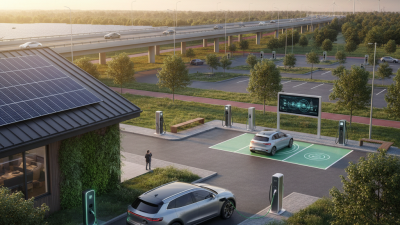
The electric vehicle (EV) market is rapidly evolving. Global buyers are keen to explore the latest trends in EV charging solutions. Innovations in this space reflect growing demand. Countries are adopting cleaner technologies, encouraging new charging infrastructure developments.
One notable trend is the rise of smart chargers. These devices connect to home networks. They allow real-time monitoring and energy management. This flexibility can optimize charging times, reducing energy costs. However, access to high-speed internet is necessary for full functionality. Some may struggle with outdated home setups, resulting in missed opportunities.
Another trend is the adoption of universal charging standards. Standardization is essential as it simplifies the user experience. However, regional discrepancies often create confusion. Not all territories are on the same page yet. Navigating these differences will require patience and adaptability from buyers. The evolving landscape demands continuous learning and adjustment. Embracing these changes can lead to a more sustainable future.
Cost Analysis: Comparing EV Wall Charger Prices Worldwide
As electric vehicles become more popular, understanding EV wall charger pricing is crucial. A recent study by BloombergNEF indicates that the global average cost of home EV chargers is around $800. However, prices can differ significantly across regions. In Europe, for example, the average price may reach $1,200 due to stringent regulations and quality standards.
The installation cost also varies widely. In the U.S., installations can range from $300 to $800, while in Asia, the range is typically lower, around $150 to $700. This disparity often reflects the local labor costs and market conditions. It's essential for buyers to factor in these expenses, as they can add substantially to the overall ownership cost.
Importantly, not all chargers provide the same efficiency. Some offer faster charging speeds but come at a higher price. Consumers need to balance upfront costs with the performance and long-term savings from reduced charging times. Additionally, as the market evolves, prices will likely change. Continuous research and awareness of these trends are necessary. This knowledge can help future buyers make informed decisions.
Top-Selling EV Wall Chargers: Brands and Performance Ratings
When choosing an EV wall charger, buyers should consider several key factors. Charging speed is crucial. Faster wall chargers save time, making them ideal for busy users. Look for models offering adjustable power levels to fit different vehicle types. This flexibility can enhance user experience significantly.
Performance ratings provide insight into reliability. High ratings often indicate a product’s durability and efficiency. Users should also explore installation requirements. Some chargers are more complex than others, which can lead to added costs. Reviews frequently highlight these aspects, guiding buyers toward informed decisions.
Brand reputation plays a role in trust, but not every popular option is perfect. It's essential to weigh user feedback against personal needs. Some models may disappoint in real-world use. Consider research to find products with consistent satisfaction ratings. This step helps avoid potential pitfalls in purchasing.
Best Ev Wall Charger Options for Global Buyers to Consider
| Charger Type |
Charging Speed (kW) |
Compatibility |
Smart Features |
Performance Rating |
| Level 2 Charger |
7.2 - 11.5 |
Most EVs |
Wi-Fi, App Control |
4.5/5 |
| DC Fast Charger |
50 - 350 |
Select Models |
Payment System, Monitoring |
4.8/5 |
| Portable Charger |
3.6 - 7.2 |
Most EVs |
None |
4.2/5 |
| Smart Home Charger |
9.6 - 12.0 |
Most EVs |
Energy Management, App Control |
4.7/5 |
Conclusion
The article "Best EV Wall Charger Options for Global Buyers to Consider" provides a comprehensive overview of the various factors that should be taken into account when selecting EV wall chargers. Key features such as power output and compatibility with different electric vehicle models are crucial for ensuring optimal performance and user convenience. The article also highlights global market trends in electric vehicle charging solutions, emphasizing the growing demand for efficient and sustainable charging options.
Additionally, a cost analysis compares prices of EV wall chargers across different regions, aiding consumers in making informed purchasing decisions. The article further reviews top-selling EV wall chargers, evaluating their performance ratings and user satisfaction. Finally, sustainability considerations are discussed, encouraging buyers to consider eco-friendly options in their choice of EV chargers, aligning with the broader shift towards environmentally responsible technologies.