How to Choose the Best Home EV Charger for Your Needs?
As electric vehicles continue to gain popularity, the need for an efficient Home EV Charger has become increasingly vital. Industry expert, Emily Hart, emphasizes, “Choosing the right charger makes all the difference in your EV experience.” With different options available, it’s essential to consider your specific needs.
Home EV Chargers vary in power levels, installation requirements, and features. Selecting the best one can be overwhelming. You might wonder which charging speed suits your daily routine. Do you drive long distances or mostly short trips? This consideration influences your choice significantly.
Installation can also pose challenges. Some homeowners opt for professional help, while others attempt DIY solutions. It’s crucial to reflect on your electrical system's capacity. Not all homes can support high-capacity chargers. Make sure you weigh your options thoroughly. A well-informed decision can lead to convenience and satisfaction in your electric vehicle ownership journey.
Understanding Your Electric Vehicle Charging Needs
When choosing a home EV charger, it is crucial to understand your specific charging needs. Most electric vehicles (EVs) on the market today have different battery capacities and charging speeds. According to the Department of Energy, Level 2 chargers, which can deliver approximately 10 to 60 miles of range per charging hour, are the most common choice for home installations. However, you need to assess your driving habits. Do you drive less than 30 miles daily? A Level 1 charger may suffice.
Consider your home’s electrical capacity as well. A standard 240-volt circuit can handle most Level 2 chargers, which are preferred for faster charging. Yet, not every home is equipped for high-load appliances. Retrofitting your electrical system can be costly and time-consuming. It’s a reflection of evolving infrastructure that often lags behind technology.
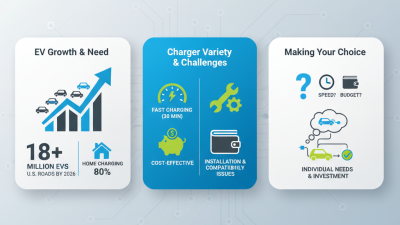
Charging frequency also matters. If you use your vehicle sporadically, ease of installation might outweigh charging speed. On the other hand, frequent long-distance travel necessitates more robust solutions. Data indicates that about 80% of EV owners charge at home. Those needs highlight the importance of ensuring your charger aligns with your lifestyle, not just the latest market trends.
Types of Home EV Chargers: Level 1 vs Level 2
When considering home EV chargers, many individuals face the decision between Level 1 and Level 2 chargers. Level 1 chargers use a standard 120-volt outlet. This type is beneficial for those with longer charging windows. A Level 1 charger can provide about 4-5 miles of range per hour. Ideal for overnight charging, it can take up to 24 hours to fully charge most electric vehicles.
Conversely, Level 2 chargers operate on a 240-volt circuit, offering significantly faster charging. They can deliver 10 to 60 miles of range per hour, which is suitable for daily users. According to the U.S. Department of Energy, installing a Level 2 charger can reduce charging time dramatically, making it more practical for those who drive frequently. However, the installation cost can be a deterrent, with estimates ranging from $400 to $2,000, depending on electrical upgrades needed.
Both charger types have their advantages and limitations. If you rarely use your EV, Level 1 may suffice. However, for regular drivers with a packed schedule, Level 2 is often more efficient. The choice depends not just on vehicle range requirements but also on reality—the availability of installation support and costs associated. Consider your lifestyle and charging habits before making a decision.
Home EV Charger Comparison: Level 1 vs Level 2
Key Features to Consider in Home EV Chargers
When selecting a home EV charger, several key features can significantly influence your experience. Consider the charging speed first. Level 1 and Level 2 chargers differ in power delivery. Level 2 chargers generally offer faster charging, allowing you to charge your vehicle overnight. Assessing your vehicle's compatibility with the charger is essential. Some cars support only specific charging speeds, impacting charging duration.
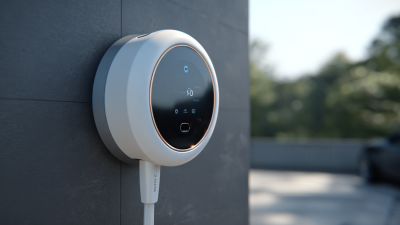
Next, think about connectivity options. Smart chargers provide mobile app controls. This allows you to monitor charging status and schedules. Some models offer energy usage data, letting you optimize home energy consumption. Furthermore, installation requirements vary. Ensure your home’s electrical system can support the charger. Higher amperage chargers may require upgrades, adding to installation costs.
Lastly, safety features should not be overlooked. Look for chargers with built-in protection against overloading or surges. This could prevent damage to your vehicle and your home. Consider warranty and support offerings too. A reliable guarantee can provide peace of mind and security for your investment. Balancing these features based on personal needs can help guide your decision. Ultimately, choosing the right charger can enhance convenience and efficiency in your electric vehicle experience.
How to Choose the Best Home EV Charger for Your Needs? - Key Features to Consider in Home EV Chargers
| Feature |
Description |
Importance Level |
| Charging Speed |
Measured in kW, indicating how quickly your EV can charge. |
High |
| Compatibility |
Ensures the charger works with your specific electric vehicle model. |
High |
| Installation Type |
Wall-mounted or portable, depending on your space and needs. |
Medium |
| Smart Features |
Wi-Fi connectivity, app control, and scheduling options. |
Medium |
| Safety Ratings |
UL or CE certification to ensure safe operation. |
High |
| Warranty |
Duration of warranty provided by the manufacturer. |
Medium |
| Price |
Total cost of the charger and installation, if applicable. |
High |
Installation Requirements and Costs for Home Chargers
When considering home EV chargers, installation requirements and costs are crucial. A standard level 2 charger typically requires a dedicated 240-volt outlet. Most homes may not have this in place. According to the U.S. Department of Energy, approximately 65% of homes may require electrical panel upgrades for safe charger integration. Such upgrades often add $500 to $2,000 to the overall installation cost.
Labor costs also contribute significantly to installation expenses. Licensed electricians usually charge between $50 and $100 per hour. In rural areas, availability might limit choices. Additionally, local permitting regulations can complicate installations. Some might face delays in approval, affecting the overall timeline. Homeowners should also consider installation in relation to home layout. Garage space or driveway accessibility plays a role in charger placement.
Finally, it’s essential to plan for future EV needs. Charging output varies among vehicles. A charger rated at 7.6 kW can reduce charging time considerably, but installation might demand more upfront investment. Each situation is unique, making thorough research critical. Gathering multiple quotes and understanding local codes ensures a smoother process, ultimately leading to more informed decisions.
Evaluating Charger Brands and Warranties
When selecting a home EV charger, evaluating the charger brands is crucial. Many factors come into play, such as reliability and support. Reputable brands often provide detailed warranties. This reflects their confidence in product quality. It’s essential to look for warranties that cover both parts and labor.
Investigating customer reviews can shed light on brand performance. Sometimes, even well-known brands may fall short in specific areas. Look for feedback on charging speed, installation complexity, and customer support experiences. Consumers often share real issues they faced, which can help others avoid similar pitfalls.
It’s wise to consider brand reputation alongside warranty terms. A longer warranty does not always mean a better product. Some companies may offer extensive coverage but have mixed reviews. Analyzing these aspects helps reduce uncertainty. Opt for brands that prioritize customer satisfaction. Balancing reliability with warranty coverage is essential in choosing an EV charger.