What is an Ev Home Charger and How Does It Work?
The rise of electric vehicles (EVs) has transformed how we think about home energy. An Ev Home Charger is essential for many EV owners, providing convenience and efficiency at home. According to a report by the International Energy Agency, the number of EVs on the road is expected to reach 145 million by 2030. This growth highlights the demand for reliable home charging solutions.
Experts in the field, like Dr. Emily Carter, emphasize the importance of home charging, stating, “A well-installed Ev Home Charger can significantly enhance the EV ownership experience.” It allows users to charge their vehicles overnight, ensuring they start each day with a full battery. However, not all chargers are created equal. Factors such as installation, compatibility, and local electricity rates can vary widely.
Navigating this evolving landscape can be daunting. Many homeowners overlook key aspects of safe and efficient installation. Understanding these details can prevent costly mistakes and ensure the longevity of the charging station. With the increasing integration of EVs into our daily lives, the need for reliable and functional Ev Home Chargers is more crucial than ever.
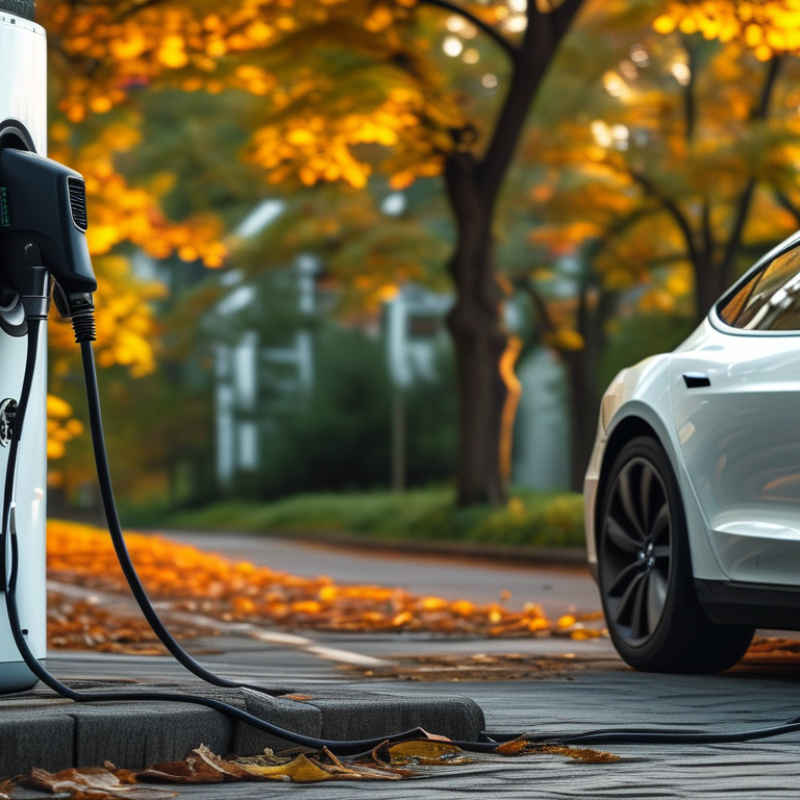
What is an EV Home Charger?
An EV home charger is a device that allows electric vehicle owners to charge their vehicles at home. Unlike standard outlets, these chargers provide faster charging times and are designed specifically for electric vehicles. They connect to your home’s electrical system, enabling a more convenient charging experience.
Installation of an EV home charger typically requires professional expertise. The setup involves checking your home’s electrical capacity and potentially upgrading it to support higher voltage charging. For many, the prospect of charging at home seems appealing. However, understanding the complexities of installation is essential. Some may face challenges like space limitations or local regulations.
Using an EV home charger brings benefits, but it isn't without drawbacks. Inconsistent power supply is a concern in some areas. Additionally, homeowners might need to invest in additional infrastructure. These challenges can lead to frustration, making it crucial for potential users to evaluate their circumstances carefully. Finding a reliable solution for charging an electric vehicle at home requires careful planning and informed decision-making.
What is an EV Home Charger and How Does It Work?
| Feature |
Description |
Benefits |
Charging Speed |
| Level 1 Charger |
Uses a standard 120V outlet for charging. |
Accessible, low installation cost. |
2-5 miles of range per hour. |
| Level 2 Charger |
Requires a 240V outlet, commonly used in homes. |
Faster charging times, most recommended. |
10-60 miles of range per hour. |
| Smart Charger |
Connects to Wi-Fi for managing charging remotely. |
Energy management, scheduling, and monitoring. |
Depends on type (Level 1 or Level 2). |
| Portable Charger |
Can be used with various outlet types, portable. |
Convenient for travel, emergency charging. |
Varies based on outlet type. |
Key Components of an EV Home Charger
An EV home charger consists of several key components that work together to provide reliable and efficient charging for electric vehicles. The main part is the charging station itself, which connects to the vehicle and your home’s electrical system. It transforms electricity from your home into a suitable form for your car. Some might find the installation process complex. Hiring a qualified electrician for this task can be crucial.
The charging cable is another essential component. This cable connects the charger to the electric vehicle.
Quality matters here; using a low-grade cable can lead to slower charging speeds. Additionally, having a durable cable is vital to prevent wear and tear. You also have the charger’s control unit, which manages the charging process. This unit ensures the vehicle receives the right amount of electricity and prevents overheating.
Lastly, many modern chargers come equipped with smart technology, allowing for remote monitoring and control.
This feature can lead to energy savings. However, it's important to consider compatibility with your vehicle. Not all chargers work with every model, so this requires careful planning. Making an informed choice about which components to prioritize will enhance your charging experience significantly.
How Does an EV Home Charger Function?
An EV home charger is a convenient solution for electric vehicle owners. It allows you to charge your car overnight. Typically, a Level 2 charger is used, which can deliver up to 240 volts. This can fully recharge most electric vehicles in about 4 to 8 hours. According to the U.S. Department of Energy, over
80% of EV owners charge their vehicles at home. This trend is only expected to grow as more consumers switch to electric mobility.
Understanding how an EV home charger works involves knowing its components. A charger includes a power source, a connector, and safety mechanisms. The charger connects to your home’s electrical system, converting AC power to DC power for your vehicle. It’s essential to have a proper installation to avoid complications. Hiring a licensed electrician ensures safety and compliance with local codes.
Tip: Regularly inspect your charger and cables for wear. This can prevent hazards and maintain efficiency. Also, consider charging during off-peak hours to save on electricity costs. Battery management is crucial. Over time, frequent fast charging may degrade battery health. Aim for a balanced charging routine for optimal battery life.
Installation Process for an EV Home Charger
The installation process for an EV home charger requires careful planning and execution. Begin by evaluating your electrical system. An average home needs a dedicated circuit for a Level 2 charger, which requires about 240 volts. According to the U.S. Department of Energy, this setup can offer significantly faster charging times compared to standard outlets, often reducing charging time to 4-8 hours.
Next, choose an appropriate location. Installations can vary in complexity based on distance from the electrical panel and the home's layout. It's beneficial to work with a certified electrician who is experienced in EV charger installation. They can ensure local codes are met. Research from the International Electrotechnical Commission indicates that improper installation can lead to hazards or inefficient charging.
Additionally, consider permits. Some local governments require permits for installation. Ignoring this step could result in fines or complications during inspections. It's crucial to communicate with your electrician about any potential obstacles. Each installation is unique, and flexibility during installation may be necessary to accommodate unforeseen challenges.
Benefits of Using an EV Home Charger at Home
Electric Vehicle (EV) home chargers offer numerous benefits for electric car owners. One significant advantage is convenience. With a home charger, you can charge your vehicle overnight. This means waking up to a fully charged car every morning. It removes the hassle of finding public charging stations during busy days.
Cost efficiency is another key aspect. Charging at home usually costs less than using public chargers. You can take advantage of lower electricity rates during off-peak hours. This can lead to significant savings over time. Installing a home charger also increases your home's value, appealing to a growing number of eco-conscious buyers.
Tips: Consider your charging needs carefully. Assess your vehicle's battery size and your driving habits. It’s important to choose a charger that meets your specific requirements. Also, keep your charger in a clean, dry area. Regularly check for any wear and tear to ensure safe operation. Investing in a reliable charger can bring peace of mind.