2026 Best EV Charging Equipment for Global Buyers Guide?
As the world increasingly shifts towards sustainable transportation, the importance of EV charging equipment cannot be understated. In 2026, buyers face a myriad of choices, each claiming to be the best on the market. Understanding these options is essential for making informed decisions.
The landscape of EV charging solutions is evolving rapidly. Buyers must consider various factors, including charging speed, installation convenience, and compatibility with different vehicle models. It can be overwhelming. Few brands stand out, but not every option suits every user’s needs.
Additionally, many consumers grapple with the question of reliability. How can one be sure that their chosen EV charging equipment will perform over time? Experience plays a crucial role. Reviews and user feedback can provide vital insights. However, not all information available is accurate. Therefore, buyers should approach claims with caution, reflecting on their personal priorities as they navigate this dynamic market.
Overview of EV Charging Equipment Types and Technologies
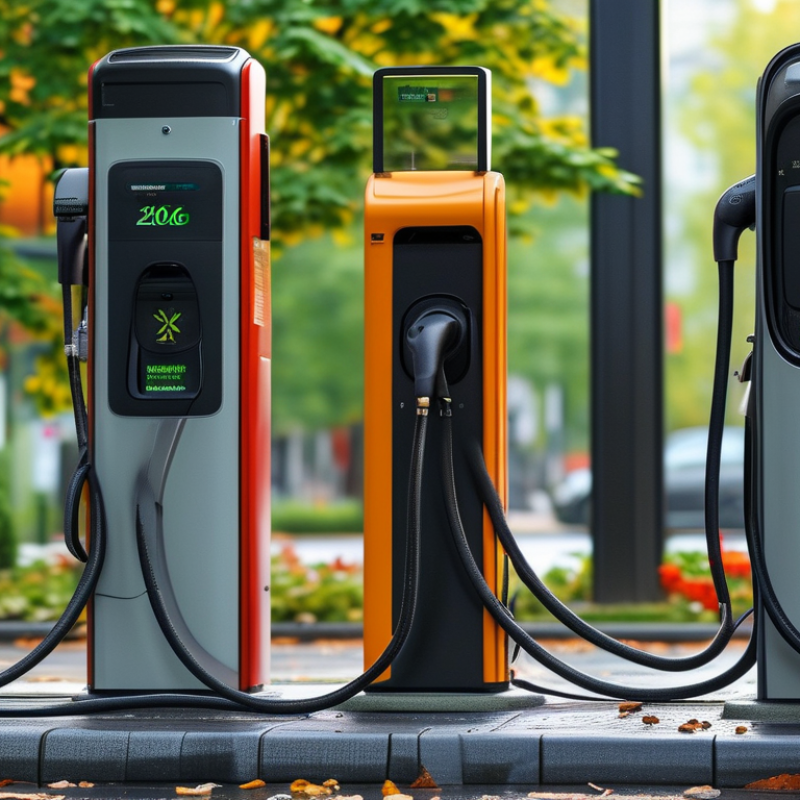
Electric vehicle (EV) charging equipment comes in various forms. Understanding these types is essential for making informed choices.
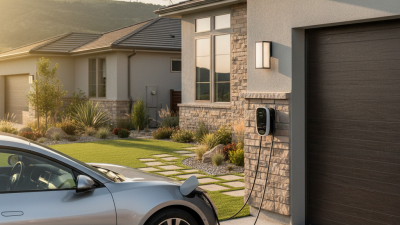
Level 1 chargers are the simplest, using a standard outlet. They provide a slow charge, ideal for overnight use at home.
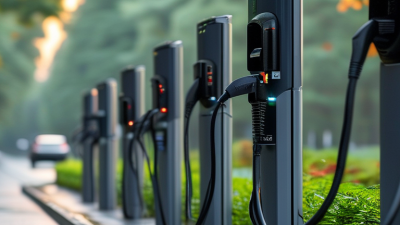
Level 2 chargers, however, offer faster charging. These are often found in public charging stations and can also be installed at home for quicker access.
DC fast chargers are another significant type. They deliver rapid charging, making them suitable for highway rest stops.
These chargers serve commercial needs well but can be expensive to install. If you’re a business owner, consider the balance between cost and demand.
Charging networks often provide maintenance and software updates, enhancing reliability.
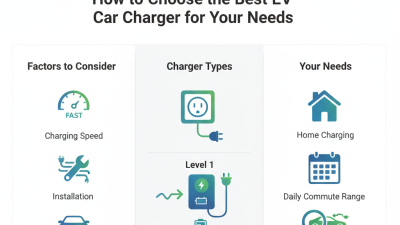
When choosing equipment, assess your specific needs. For casual users, Level 1 might suffice. However, frequent travelers should invest in Level 2 or DC chargers.
Ensure your location has adequate power supply. Research future-proofing options to accommodate growing EV needs.
Flexible and scalable solutions can save on costs long-term.
Key Features to Consider When Choosing EV Chargers
When selecting EV charging equipment, several key features demand careful consideration. Charging speed is paramount. Level 2 chargers offer faster charging compared to standard Level 1 chargers. According to the U.S. Department of Energy, a Level 2 charger can provide up to 25 miles of range per hour of charging. This speed can significantly reduce downtime, especially for fleet operations relying on quick turnarounds.
Another crucial aspect is compatibility. Not all EVs use the same plug type. Understanding whether the charger supports the specific connectors for various EV models is vital for consumer satisfaction. A recent report from the International Energy Agency noted that by 2023, the number of electric vehicles globally surpassed 10 million. With this growth, ensuring a versatile charging solution that accommodates different makes and models is essential.
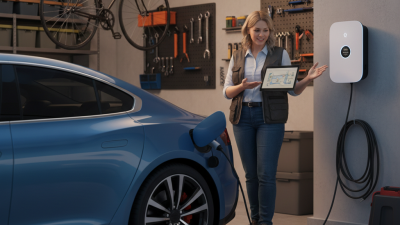
Users should also evaluate the charger’s smart features. Many modern chargers offer app connectivity, allowing users to monitor charging status and energy consumption remotely. This can lead to better energy management and efficiency. Moreover, integrating renewable energy sources, such as solar power, can enhance sustainability. However, some users face the complexity of setup and compatibility with existing home energy systems. Reflecting on these challenges can help buyers make informed choices that not only meet their charging needs but also align with environmental goals.
Top Brands and Models of EV Chargers for 2026
As the electric vehicle (EV) market grows, choosing the right charging equipment becomes crucial. Various brands and models will dominate in 2026, offering different features and benefits. Most chargers now support fast charging, making it easy for users to quickly power up their vehicles. However, not all models will suit every driver’s needs.
Quality matters when selecting an EV charger. Several top brands focus on user-friendly designs and advanced technology. These chargers often include connectivity options, such as Wi-Fi or mobile app control. However, compatibility with various EV models can be a challenge, leading to potential mismatches. It's vital to check these specifications before purchasing.
Moreover, installation can be complex. Some chargers may require professional help, adding to overall costs. An effortless installation experience remains a common expectation. Buyers should also consider warranties and customer support. Reliable options tend to offer better service, but not every brand meets this standard. Evaluating these factors ensures informed choices for a seamless EV charging experience.
Global Standards and Regulations Impacting EV Charging
Global standards play a crucial role in the evolution of EV charging infrastructure. Various regulations, such as those set by international bodies, dictate how charging stations should be built and operated. These regulations ensure safety, interoperability, and efficiency across different regions. For instance, some countries have adopted specific voltage and connector types to promote compatibility. This pushes manufacturers to innovate while adhering to guidelines.
Local regulations also impact the installation process. Some regions require specific permits, which can lengthen project timelines. There can be discrepancies between national and local standards, creating potential confusion. Additionally, landlords and businesses may face challenges navigating these requirements. Understanding these regulatory frameworks is essential for anyone involved in EV infrastructure.
Tracking changes in these regulations is important. They evolve in response to technological advancements and environmental goals. Staying informed can help decision-makers make better choices. This dynamic landscape presents an opportunity for growth but also demands vigilance. As more players enter the market, consistency and adherence to standards become crucial for building trust and reliability in EV charging solutions.
Future Trends in EV Charging Infrastructure and Innovation
As electric vehicles (EVs) gain popularity, the need for efficient charging infrastructure becomes paramount. According to a report by the International Energy Agency (IEA), the number of public charging stations worldwide must increase to over 20 million by 2030 to meet growing demand. This explosive growth in infrastructure calls for innovative solutions and technologies to streamline EV charging processes.
One promising trend is the shift toward ultra-fast charging stations. These can deliver up to 350 kW, significantly reducing charging times to around 15-30 minutes for most EVs. A recent study by BloombergNEF indicates that the global market for fast chargers is expected to reach $50 billion by 2025. Innovations in wireless charging technology also show potential but require further development to enhance efficiency and practicality.
While advancements are promising, challenges remain. Existing infrastructure often lags behind EV growth, leading to congestion and accessibility issues. Regular maintenance of charging stations is crucial to avoid downtime and user frustration.
For potential buyers, consider the importance of interoperability when choosing charging equipment. Ensure the chargers are compatible with various vehicles. An investment in smart technology can help monitor usage and optimize energy consumption. Always check for the latest safety certifications to mitigate risks.