Best DC EV Charger Options for Global Buyers 2026
In recent years, the demand for DC EV chargers has surged globally. According to a report by the International Energy Agency, electric vehicle sales could see an increase of over 60% by 2026. This rise is driven by advancements in EV technology and sustainable energy initiatives. Industry experts predict that DC EV chargers will play a crucial role in this transition.
Dr. Emily Chen, an EV infrastructure expert at GreenTech Innovations, stated, "The growth of DC EV chargers is essential for meeting the charging needs of future electric vehicle fleets." As consumers are increasingly adopting EVs, the need for reliable and efficient charging solutions cannot be overstated.
Despite the promising outlook, challenges remain. The installation of DC EV chargers must keep pace with rising demand. Additionally, there are concerns over interoperability and infrastructure investment. These hurdles require careful consideration. As the market evolves, selecting the right DC EV charger becomes vital for global buyers aiming to stay ahead in the competitive landscape.
Overview of DC EV Charger Technology and Its Importance
The evolution of DC charging technology is vital for the expansion of electric vehicle (EV) infrastructure. Fast-charging capabilities are essential as more consumers shift towards electric mobility. A recent report by the International Energy Agency indicates that DC fast chargers will comprise over 40% of the global charging network by 2026. This shift highlights the growing demand for rapid charging solutions.
DC EV chargers reduce charging time significantly, enabling a full charge in under an hour. Their efficiency is crucial for both urban and long-distance travel. According to the U.S. Department of Energy, today's typical Level 2 chargers take up to 8 hours for a complete charge. In contrast, DC fast chargers can deliver up to 350 kW, offering a charge rate that helps reduce range anxiety among users.
However, there are challenges to consider. Not all EVs are compatible with every DC charger. Variances in connector types can create accessibility issues. Additionally, the initial installation cost remains high in many regions. As technology advances, these issues will need addressing to make DC charging more universally available and efficient. Investing in robust DC infrastructure today will pave the way for a sustainable future in electric transportation.
Key Features to Consider When Choosing a DC EV Charger
When selecting a DC EV charger, several key features will impact your purchasing decision. One of the most critical aspects to consider is charging speed. Higher capacity chargers can significantly reduce the time required to charge your vehicle. This is particularly beneficial for users on the go. Fast charging can mean the difference between waiting for 30 minutes or only 10. However, it’s essential to assess your typical driving range and charging needs.
Another factor is compatibility. Ensure the charger can accommodate various models and brands of electric vehicles. This flexibility can save both time and money. Also, think about the installation location. Outdoor chargers may require additional protection against weather conditions. Finally, don’t overlook user-friendly interfaces that simplify the charging process. A clear display and intuitive design can enhance the overall experience.
Pricing and warranty are also worth examining. A charger might seem affordable initially, but hidden costs can arise. It's prudent to read the fine print. Considering these elements can seem overwhelming, but a thorough evaluation can lead to a better long-term investment. Choosing a charger should be a thoughtful process, not a rushed decision.
Best DC EV Charger Options for Global Buyers 2026
This chart presents key features to consider when choosing a DC EV charger for global buyers in 2026. It compares the charging speed, price, warranty, portability, and availability of smart features.
Top DC EV Charger Brands for International Markets in 2026
As the global demand for electric vehicles (EVs) surges, the charging infrastructure must adapt. By 2026, the landscape of DC fast chargers will be more competitive and diverse. A recent industry report indicates that the global DC fast charger market is projected to reach $30 billion by 2026, reflecting a compound annual growth rate of over 30%. This rapid growth highlights the critical role these chargers play in supporting widespread EV adoption.
Top players in the charger market are focusing on innovation and user experience. They are investing in advanced technologies to ensure faster charging times and greater efficiency. Some brands are optimizing their equipment for various EV models, making it easier for consumers. The increasing focus on sustainability also leads manufacturers to prioritize eco-friendly materials, contributing to the overall reduction of carbon footprints. Yet, inconsistencies in charger availability across regions remain a significant challenge.
Market analysts have noted that customer education is lacking. Many potential EV owners are unsure about the benefits of DC chargers versus AC options. Bridging this knowledge gap is essential for fostering greater public acceptance. Additionally, customers often express concerns about compatibility and pricing. The need for transparency in pricing structures and clearer communication about capabilities cannot be overstated. As countries strive to create cohesive charging networks, these considerations must remain at the forefront of strategic planning.
Comparative Analysis of Charger Pricing and Performance
The global electric vehicle (EV) market is growing rapidly, and the demand for DC fast chargers is on the rise. According to a 2023 market report, the DC charger segment is expected to expand at a compound annual growth rate (CAGR) of 25% through 2026. This growth highlights the increasing need for efficient and cost-effective charging solutions.
When analyzing charger pricing and performance, it's crucial to consider key factors such as charging speed, compatibility, and installation costs. A recent study indicated that high-performance DC fast chargers can range from $15,000 to $50,000, depending on their power output. Lower-end models, while more affordable, may take longer to charge EVs, leading to potential customer dissatisfaction. In some cases, perceived value does not align with their capabilities.
Consumer preferences are also shifting as more innovative technologies emerge. Some studies show that consumers prioritize fast charging and reliability. Yet, many find the installation process complex. Installation costs can add another $5,000 to $10,000, which can be a significant barrier for some buyers. Overall, as buyers navigate through these options, understanding performance metrics and evaluating costs becomes essential for informed decision-making.
Future Trends in DC EV Charging Infrastructure Development
As electric vehicles (EVs) become mainstream, the demand for DC fast chargers is rising. Future trends in DC EV charging are set to revolutionize the infrastructure landscape. Cities and regions are prioritizing the development of charging stations. This shift aims to accommodate growing electric vehicle fleets globally.
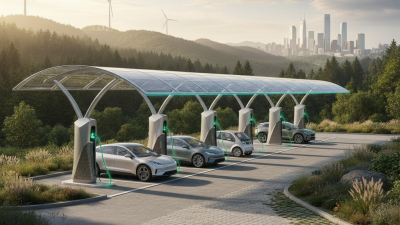
One significant trend is the integration of renewable energy sources. Many stations will soon utilize solar or wind power to reduce carbon footprints. By encouraging green energy, efficiency can significantly improve. Additionally, we're likely to see innovations such as ultra-fast charging technology. It promises to deliver an even quicker charging experience for drivers.
Tips: Look for locations with multiple charging options. Evaluate if they support various EV models. Also, consider using apps that track charging stations. This can help you find options nearby and compare wait times. As the infrastructure evolves, staying informed is crucial. With the right knowledge, you can make better decisions about your EV charging needs.