Top 10 Home Car Chargers You Must Have in 2026?
As electric vehicle (EV) adoption accelerates, choosing the right Home Car Charger becomes crucial. According to a recent report by the International Energy Agency (IEA), global electric car sales reached 6.6 million units in 2021, marking a 108% increase from the previous year. By 2026, it's expected that the number of electric vehicles could soar to over 20 million, highlighting the need for efficient home charging solutions.
Home Car Chargers offer convenience and efficiency for EV owners. A study from the U.S. Department of Energy suggests that charging at home can reduce emissions significantly, compared to traditional fuels. However, not all chargers are created equal. Factors such as charging speed, compatibility with different EV models, and safety features play a critical role. Thus, selecting the right model can feel overwhelming, especially with rapidly evolving technology.
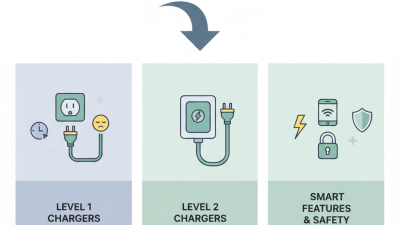
In this landscape, it's essential for consumers to reflect on their specific needs. Will a Level 1 charger suffice, or is a Level 2 charger necessary for faster charging? Answering these questions can enhance user experience. Choosing a Home Car Charger today will shape how we enjoy our electric vehicles tomorrow, making informed decisions vital in this evolving market.
Overview of Home Car Chargers in 2026
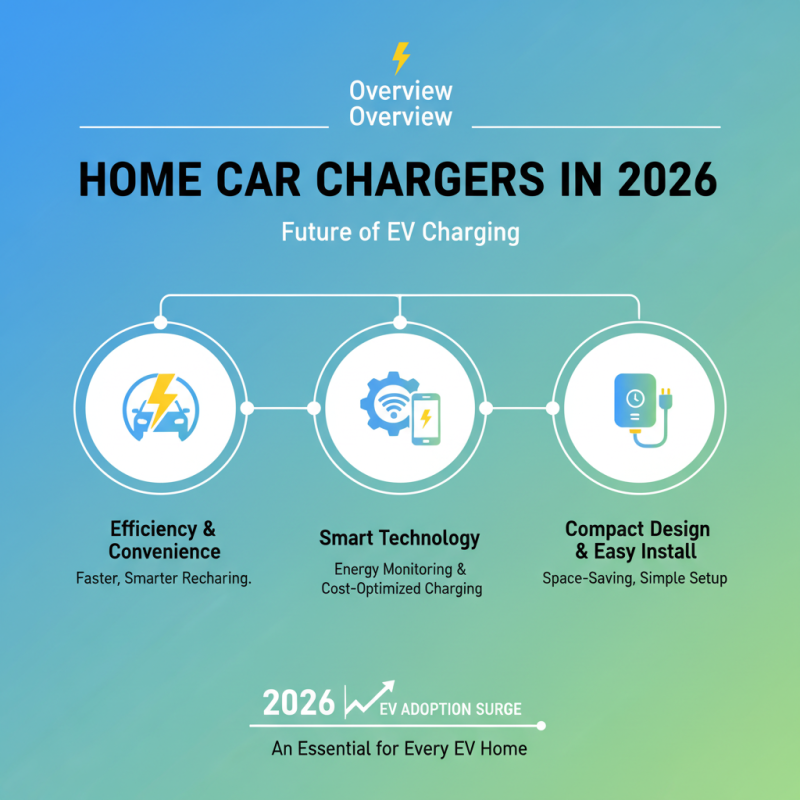
Home car chargers are becoming essential as electric vehicles rise in popularity. In 2026, these devices are designed for efficiency and convenience. The charging technology has evolved significantly, making it easier for users to recharge their vehicles at home. Many modern chargers are compact, allowing for easy installation. They often feature smart technology that monitors energy usage and optimizes charging times for cost-effectiveness.
Tips: Choose a charger with adjustable settings to match your vehicle’s needs. This customization ensures optimal charging performance.
A focus on renewable energy sources has shaped the development of home car chargers. Many now integrate solar power capabilities, appealing to eco-conscious consumers. These innovations help lower carbon footprints and reduce energy costs. However, reflecting on the reliability of infrastructure is crucial. Not every home may have the appropriate electrical setup, necessitating upgrades that could be costly.
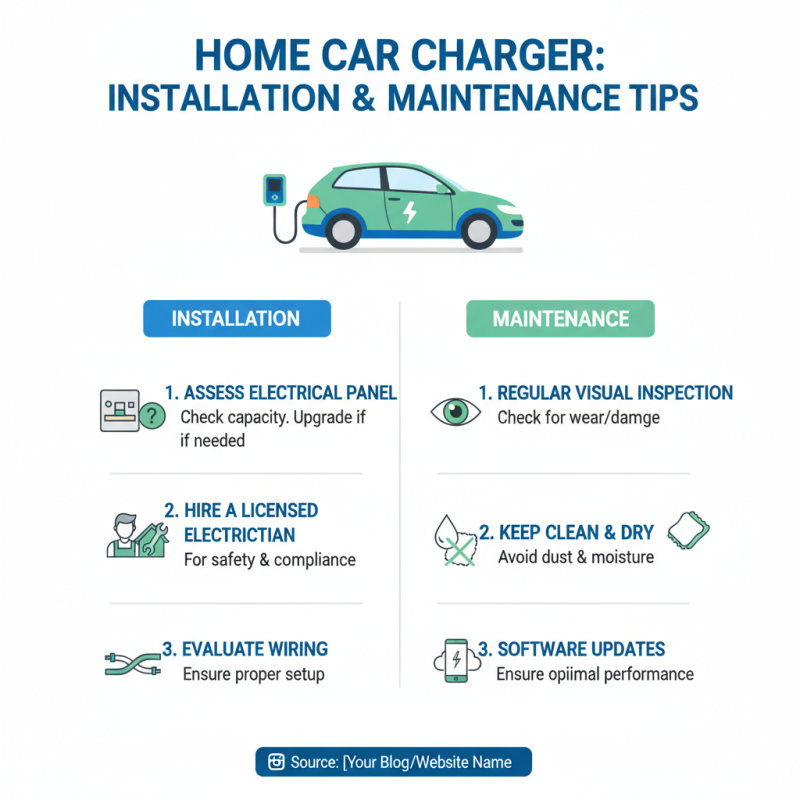
Tips: Check your electrical system before purchasing a charger. Understanding your home's capacity can save you money and hassle later.
Key Features to Consider When Choosing Home Car Chargers
When selecting a home car charger, it's essential to identify key features that enhance your charging experience. One of the most important aspects is charging speed. Look for chargers with varying power outputs. A charger with a high wattage will charge your vehicle faster. However, it's crucial to consider the compatibility with your car model.
Another vital feature is safety standards. Opt for chargers with over-voltage protection and temperature control. These safety mechanisms protect both your vehicle and your home. Built-in smart technology can also provide real-time diagnostics. This feature can alert you about any potential issues, which is reassuring for car owners.
Moreover, think about the installation process. Some chargers require professional installation, while others offer easy plug-and-play options. This choice can influence your decision, especially if you are not handy. Additionally, check the warranty and customer support services. Good customer support can make a difference if any problems arise. Taking the time to research these features will lead to a more informed choice.
Top 10 Home Car Chargers You Must Have in 2026
| Model |
Charging Speed |
Connector Type |
Smart Features |
Price Range |
| Charger A |
Level 2 (240V) |
J1772 |
Wi-Fi, Mobile App |
$500 - $700 |
| Charger B |
Level 1 (120V) |
NEMA 5-15 |
None |
$200 - $300 |
| Charger C |
Level 2 (240V) |
J1772 |
Bluetooth, Mobile App |
$400 - $600 |
| Charger D |
Level 2 (240V) |
J1772 |
Wi-Fi, Voice Control |
$600 - $800 |
| Charger E |
Level 2 (240V) |
CCS |
Mobile App, Scheduling |
$700 - $900 |
| Charger F |
Level 1 (120V) |
NEMA 5-15 |
None |
$100 - $200 |
| Charger G |
Level 2 (240V) |
J1772 |
Wi-Fi, Automatic Updates |
$500 - $800 |
| Charger H |
Level 2 (240V) |
J1772 |
Bluetooth, Energy Monitoring |
$600 - $850 |
| Charger I |
Level 2 (240V) |
CCS |
Wi-Fi, Smart Scheduling |
$750 - $950 |
| Charger J |
Level 2 (240V) |
J1772 |
Voice Control, Mobile App |
$800 - $1,000 |
Top 10 Recommended Home Car Chargers for 2026
When considering home car chargers for 2026, efficiency and convenience are essential. A reliable charger is vital for electric vehicle (EV) owners. The best chargers should support multiple charging speeds. A Level 2 charger can recharge your car in a few hours. This is perfect for daily use.
Many users prefer smart chargers. Smart technology allows for remote control and monitoring via smartphone apps. Some models even provide energy usage statistics. This feature helps users understand their consumption habits. Charging during off-peak hours can save money.
However, not all chargers are straightforward to install. Some may require professional assistance. This can lead to unexpected expenses. You should also consider the total power output. Insufficient power can lead to longer charging times. A suitable option should address your specific needs. Research, compare reviews, and test out various products. Stay informed about new technologies in this rapidly evolving market.
Top 10 Home Car Chargers You Must Have in 2026
This chart represents the popularity rating of the top 10 home car chargers expected in 2026. The ratings indicate their anticipated market reception among users, with "Fast Charge" topping the list due to its efficiency and user demand.
Cost Comparison of Popular Home Car Chargers
When considering a home car charger in 2026, cost plays a significant role. Prices vary widely, influenced by features and charging speeds. Basic models may start around $300, while advanced ones can exceed $700. The investment often reflects charging efficiency and smart technology integration.
Tips: Prioritize essential features. Look for chargers with adjustable power output. This flexibility can save money and energy.
Installation costs add to the total. Professional installation might cost between $100 to $500. It's crucial to budget for this upfront. Some may choose DIY, but safety is paramount. Mistakes can lead to serious electrical issues.
Tips: Always check warranty terms. A good warranty can save costs down the line. Sustainability matters too. Energy-efficient models may reduce electric bills, balancing upfront costs with long-term savings.
As you research, gather user reviews. These can provide insights into reliability and performance. Make sure your choice aligns with your vehicle’s needs.