Choosing the right Ev Car Charger is not simply a matter of selecting the highest power rating. Global buyers face different vehicle connectors, home voltages, climate conditions, and installation standards. A charger that performs smoothly in a European garage may need different equipment in North America or Southeast Asia. Compatibility matters.
This guide examines ten leading options through practical details. We consider charging speed, connector support, cable length, weather protection, app stability, installation requirements, and warranty coverage. We also examine safety features, including overload protection, temperature monitoring, and residual-current detection. These details matter when a charger operates beside a parked vehicle every night.
Real-world experience often reveals more than a product specification sheet. A flexible cable can prevent awkward parking. A bright status light helps during late-night charging. A reliable app should show energy use without repeated disconnections. Independent testing and recognized certification can provide useful confidence, although certification requirements differ between markets. Buyers should still confirm local electrical rules with a qualified installer.
No charger fits every driveway. Some models cost more but offer stronger weather resistance. Others deliver excellent value but provide fewer smart features. That trade-off deserves honest attention. We will highlight both strengths and limitations, rather than treating every product as perfect. The final choice should match your car, household supply, daily mileage, and long-term expectations. Small details can prevent expensive frustration. Safety should never be an afterthought.
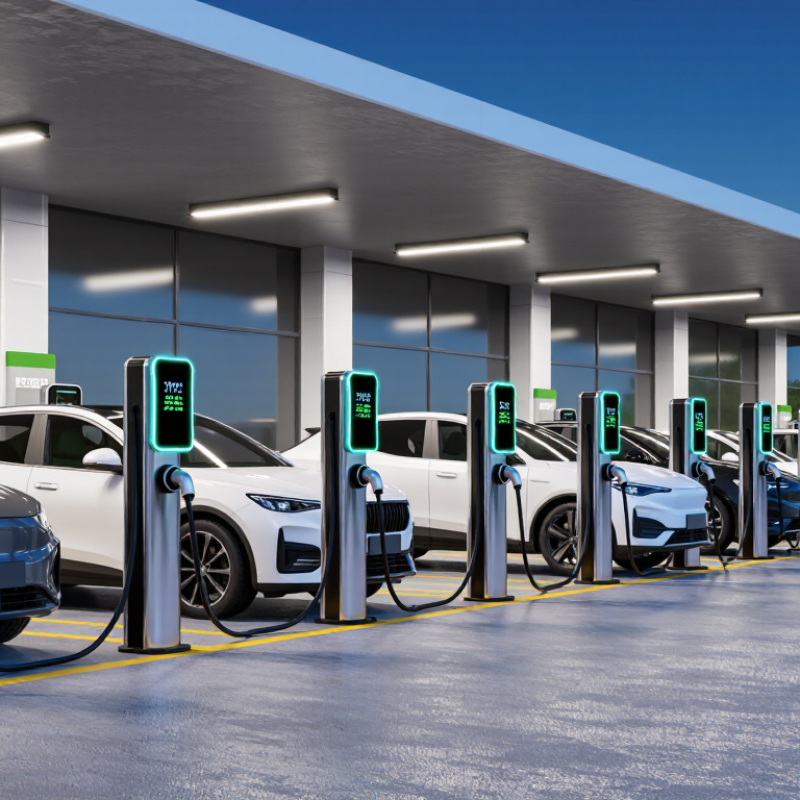
The International Energy Agency reported nearly 17 million electric car sales worldwide in 2024. That number changes how buyers should assess home and public charging equipment. A charger is no longer an occasional accessory. It is becoming part of daily infrastructure.
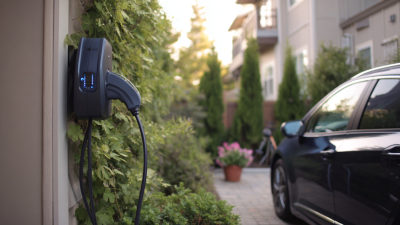
Home AC chargers usually suit overnight charging, especially where vehicles remain parked for eight hours. Public DC chargers serve longer journeys, but installation quality matters greatly. Buyers should check connector compatibility, voltage requirements, charging speed, weather resistance, and safety certification. Regional standards differ. A charger suitable for one country may need an adapter or different installation elsewhere.
Look for practical details. Can the cable reach a driveway socket? Does the unit support load balancing when appliances run together? Can its software show energy use clearly? A qualified electrician should inspect the wiring, grounding, and available capacity before installation. This step is easy to overlook.
Faster is not always better.
A high-power charger may add unnecessary cost in a small home. It may also strain an older electrical system. Some connected features sound useful but depend on stable internet access, which is not guaranteed everywhere. Buyers should compare real charging habits, climate conditions, parking time, and local power limits rather than trust impressive specifications alone. Personal experience also reveals small frustrations, such as stiff cables in cold weather or confusing displays at night. There is no universal top ten. The most reliable choice is the one that fits the driver’s routine and local infrastructure.
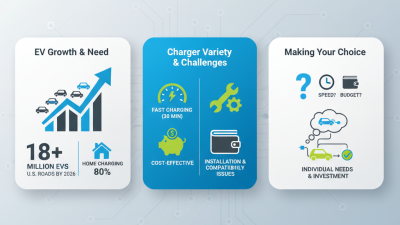
For global buyers, the best EV charger is not always the fastest-looking model. AC charging up to 22 kW suits homes, hotels, offices, and overnight parking. A 22 kW unit can add roughly 100–150 kilometers of range during a typical eight-hour stay, depending on the vehicle and battery. However, many cars accept only 7.4 or 11 kW AC. Check the vehicle’s onboard charger before paying for unused capacity.
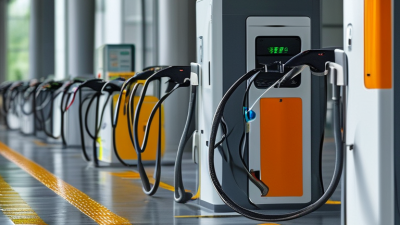
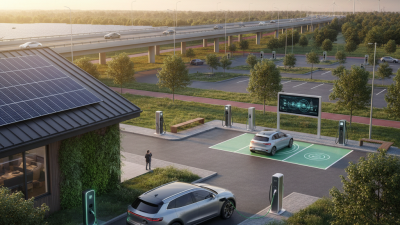
DC charging from 50 to 150 kW supports restaurants, retail sites, and urban corridors. Higher-power systems, reaching 350 kW, target highway locations and commercial fleets. The International Energy Agency reported more than four million public charging points worldwide by the end of 2023. Over 1.3 million were added that year, showing how quickly charging demand is expanding. Yet a 350 kW label is not a guarantee. Battery temperature, state of charge, cable limits, and grid capacity can reduce actual power.
Reliability deserves equal attention. Look for certified electrical protection, clear power-sharing controls, remote diagnostics, and compatibility with local voltage standards. The U.S. Department of Energy notes that charging speed depends on both equipment output and vehicle acceptance. That detail is easy to overlook. In field use, a stable 150 kW session may be more valuable than a brief 350 kW peak. Buyers should also examine connector options, installation costs, enclosure ratings, and service response times. Specifications are useful, but real charging records reveal the harder truth.
Choosing an electric vehicle charger starts with the vehicle inlet, not the charger’s advertised power. CCS supports direct-current charging across many markets, while NACS is increasingly common in selected regions. CHAdeMO remains relevant for some older vehicles and existing charging sites. Compatibility must be checked physically and electronically. A matching plug alone does not guarantee safe charging.
IEC 61851 defines important charging behavior, control signals, and safety requirements for conductive charging systems. It helps chargers and vehicles communicate before current flows. For home use, look for clear protection functions, stable temperature monitoring, and installation by a qualified electrician. For public equipment, cable management and weather resistance matter. Small details become important during rain, heat, or repeated daily use.
OCPP 2.0.1 supports communication between charging stations and management platforms. It can improve remote monitoring, user authorization, software updates, and energy management. This is valuable for fleet operators and property owners. However, protocol support does not always mean every feature works perfectly. My own checklist is not perfect either. Firmware versions, regional grid rules, connector availability, and vehicle software can change the result. Compare real test data with technical documentation, and ask how failures are recorded, repaired, and reported. Reliable equipment should explain its limits clearly.
Ranking the top ten EV chargers requires more than comparing charging speed. Safety deserves the highest weight. Reliable models use residual-current protection, overcurrent control, and temperature monitoring. These features can prevent overheating near a garage wall or outdoor socket. Installation quality matters too. Even a well-designed charger may perform poorly with loose terminals or unsuitable wiring.
Efficiency should reflect real charging conditions, not only the advertised power rating. A 7.4 kW charger may deliver less during voltage fluctuations, cable heating, or vehicle limits. Look for clear efficiency data and stable performance across different climates.
IP ratings also need careful reading. IP65 can protect against dust and water jets, but it does not permit careless immersion. Inspect the connector cover, cable seal, and drainage path after heavy rain.
Uptime includes both electrical operation and software availability. A charger that starts manually can remain useful when an internet service fails. That detail is often overlooked.
Warranty length matters, but coverage terms matter more. Check repair procedures, replacement timelines, labor coverage, and regional support. Some warranties exclude outdoor exposure or improper installation, which can surprise global buyers.
No ranking is perfect. Testing across every grid type and climate is difficult, and published claims still need independent verification.
Top 10 EV Car Chargers for Global Buyers
Ownership value depends on more than the charger’s advertised price. Global buyers should price the unit, shipping, local installation, permits, and import tariffs together. A residential charger costing $700 may require $900 for wiring, protection, and labor. A longer cable run can add several hundred dollars. Customs classification also matters. Verify rates with local authorities, not online estimates.
For a five-year total cost of ownership, record every recurring expense. Assume 15,000 kWh of charging and an electricity tariff of $0.18 per kWh. Energy then costs about $2,700. Add installation, taxes, maintenance, and possible software fees. In this example, a $4,000 initial investment could exceed $7,000 over five years. Public charging may cost more, but a home charger offers time savings and predictable access. The estimate is rarely neat. Electricity prices can change, and battery efficiency falls in cold weather.
Tips: Request two installation quotes. Ask whether the price includes permits, cable upgrades, and surge protection. Keep invoices for warranty and tax records. Compare total cost per delivered kilowatt-hour, not only charging speed. A faster unit may need a costly electrical upgrade. My early budgets often missed small fees, especially delivery handling and inspection charges. That mistake is easy to repeat. A realistic spreadsheet should include a 10–15% contingency for uncertain local costs.
Representative five-year ownership estimates for ten charger configurations commonly available to global buyers. Values are shown in USD and include equipment, typical installation, an illustrative 10% import-duty allowance on hardware, and five-year maintenance. Electricity costs, vehicle upgrades, local tax, and civil-work extremes are excluded because they vary substantially by country and site.