Why You Need a Car Charger for Your Electric Vehicle?
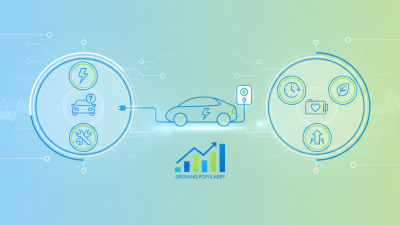
As the electric vehicle (EV) market continues to grow, the demand for reliable car chargers is becoming crucial. According to a report by the International Energy Agency (IEA), the number of electric cars on the road reached over 10 million in 2020, a growth of 43% from the previous year. This surge highlights the necessity of accessible charging infrastructure. Consumers are now looking for efficient car chargers that meet their daily needs.
Car chargers not only enable convenient charging but also enhance overall EV performance. A study from BloombergNEF suggests that EVs could account for 58% of global passenger car sales by 2040 if adequate charging networks are established. Yet, the reliability of chargers varies widely. Some users experience long wait times and reduced charging speeds, underscoring the need for dependable options.
Investing in a car charger offers peace of mind. It grants EV owners autonomy over their charging habits and ensures they are prepared for long journeys. However, the evolving technology means that not all chargers are created equal. There is still room for improvement in charger availability and speed. Hence, understanding the types of chargers available is essential for every EV owner.
The Importance of a Car Charger for Electric Vehicles
Electric vehicles (EVs) are becoming more popular as people seek sustainable transportation solutions. Yet, the importance of a reliable car charger cannot be overstated. For EV owners, a home charging station serves as the primary source of energy. It offers convenience, ensuring you start each day with a full battery. Home chargers can often supply enough power overnight, eliminating the anxiety of running out of juice.
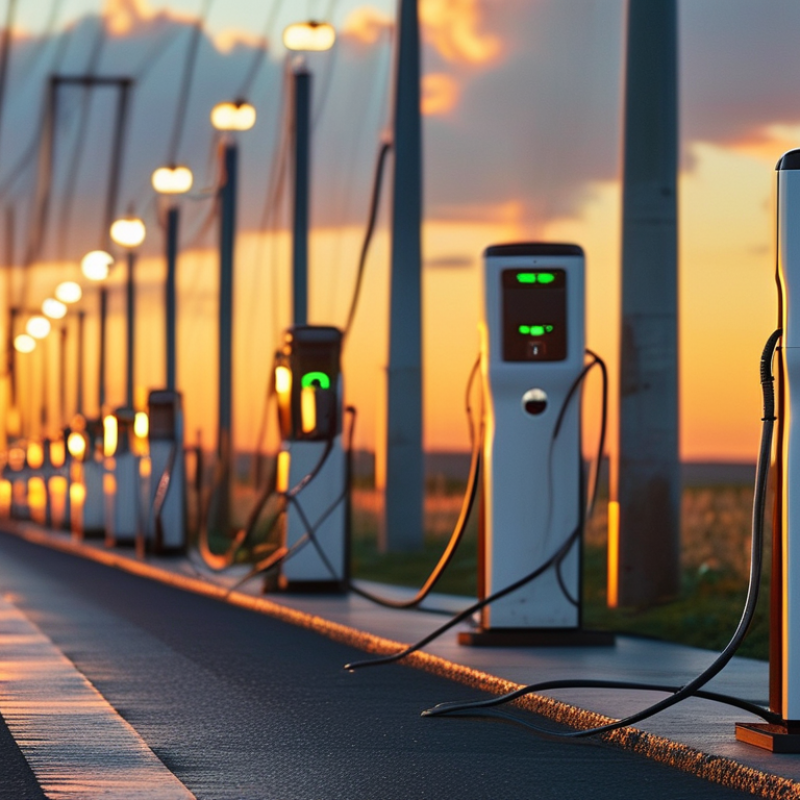
Public charging stations are essential too. They provide options for long trips and unexpected detours. However, these stations may not always be available or compatible with every vehicle. Waiting times can frustrate drivers. An efficient charging solution at home or work can eliminate the stress associated with finding a public charger.
While some may think a car charger is unnecessary, the reality is that EVs require regular charging. Without it, driving an electric vehicle can become inconvenient. Relying solely on public infrastructure can lead to chaos. Balancing both home and public charging options ensures a smooth driving experience. Embracing the reality of EV ownership means understanding the critical role of a charger.
Types of Electric Vehicle Chargers Available
When it comes to charging your electric vehicle (EV), understanding the types of chargers available is crucial. There are primarily three types of EV chargers:
Level 1,
Level 2,
and
DC Fast Chargers.
Level 1 chargers use a standard 120-volt outlet, making them accessible for home use. However, they can take a long time to charge an EV, often requiring overnight charging for a full charge.
Level 2 chargers operate on a 240-volt outlet, providing faster charging. These are commonly found in public charging stations and can recharge your EV in a matter of hours. They are more efficient but require a bit of installation effort, which could be a hurdle for some homeowners.
DC Fast Chargers, on the other hand, are designed for quick power boosts. They can charge an EV to 80% in about 30 minutes, making them ideal for road trips. However, they are more expensive and not as widely available. While they offer convenience, they might not fit everyone’s charging habits. Each charger has advantages and drawbacks, and the choice largely depends on individual needs and lifestyle.
Benefits of Having a Home Charger for Your Electric Vehicle
Having a home charger for your electric vehicle (EV) offers numerous benefits. First, convenience is a major factor. You can charge your car overnight, just like your phone. This ensures your vehicle is ready each morning without the hassle of finding a public charging station. In a recent survey, 70% of EV owners reported that home charging significantly reduced their anxiety about running out of battery.
The cost benefits are also noteworthy. Charging at home can be substantially cheaper than using public chargers. According to the U.S. Department of Energy, charging at home can save EV owners up to 60% on fuel costs compared to gasoline vehicles. Furthermore, home chargers often allow for time-based rates, meaning you can charge during off-peak hours to capitalize on lower electricity rates.
Safety and control are added advantages. With a personal charging station, there’s no need to worry about the reliability of public chargers. Research indicates that roughly 20% of public charging stations may be out of service at any time. This uncertainty can be frustrating during long trips. A home charger gives you peace of mind, empowering you to take control of your charging needs.
Reasons to Have a Home Charger for Your Electric Vehicle
Factors to Consider When Choosing an Electric Vehicle Charger
Choosing the right charger for your electric vehicle (EV) is crucial. Numerous factors can influence your decision. First, consider the charging speed. Level 1 chargers work on standard home outlets but take longer. In contrast, Level 2 chargers are faster, offering a full charge within a few hours. According to the U.S. Department of Energy, a Level 2 charger can deliver up to 25 miles of range per hour of charging.
Another important factor is amperage. Most EV chargers range from 16 to 40 amps. Higher amperage means quicker charging but requires a compatible home electrical system. Not every home can handle this demand. Check your home’s electrical capacity before choosing a charger.
When selecting, consider the installation type. Wall-mounted chargers save space. Portable options offer versatility, yet they may lack the speed of stationary models. According to a recent report by the International Energy Agency, charging infrastructure growth is expected to increase significantly by 2030. It’s essential to ensure that your selected charger aligns with future infrastructure developments.
Tips: Always verify local regulations regarding charger installation. Ensure you're working with certified electricians for safety. Also, review your EV’s charging compatibility before purchasing to avoid any mismatches. Finally, remember that pricing can vary widely based on features, so balance your budget with what you truly need.
Understanding Charging Times and Costs for Electric Vehicles
Charging an electric vehicle (EV) involves key factors: time and cost. Understanding these principles is essential for EV owners. The average home charger delivers about 7.2 kW, allowing a full charge overnight. However, public chargers can vary significantly. Some fast chargers provide up to 350 kW, able to recharge an EV in under 30 minutes. The type of charger directly impacts your daily routine and travel plans.
In terms of costs, the U.S. Department of Energy reports an average electricity price of 13 cents per kWh. This means a full charge for a standard EV with a 60 kWh battery costs around $7.80. Comparatively, gasoline vehicles might incur much higher fuel costs, depending on local gas prices. However, charging at certain times, like off-peak hours, can save you even more.
Tip: Always check local charger availability and pricing. Using apps can help you locate the cheapest and fastest options nearby.
Reflecting on personal charging habits can lead to better decisions. Some EV owners find themselves reliant on public chargers, which may not always align with their travel patterns. Understanding charging station locations and their costs can significantly enhance your EV experience. An efficient charging plan can save you time and reduce anxiety about running low on battery.