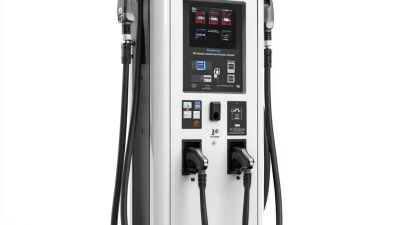
The transition to electric vehicles (EVs) is accelerating, with a recent report from the International Energy Agency indicating that the number of electric cars on the road could reach 300 million globally by 2030. As more consumers make the switch to EVs, the demand for convenient and efficient home EV charging points is surging. According to a survey by Deloitte, nearly 70% of EV owners prefer to charge their vehicles at home, underscoring the vital role that home charging infrastructure plays in this automotive revolution.
Installing an EV Charging Point at home is not just a savvy choice for convenience but also a strategic move towards sustainable living. An efficient home charging solution can eliminate the hassle of public charging stations and reduce charging costs. Research from the U.S. Department of Energy reveals that charging at home costs significantly less per mile compared to gasoline-powered vehicles, illustrating the long-term financial benefits of adopting an EV alongside a home charging station. As the market continues to evolve, understanding how to effectively install an EV charging point becomes crucial for those looking to embrace an eco-friendly lifestyle while navigating the shift towards electric mobility.
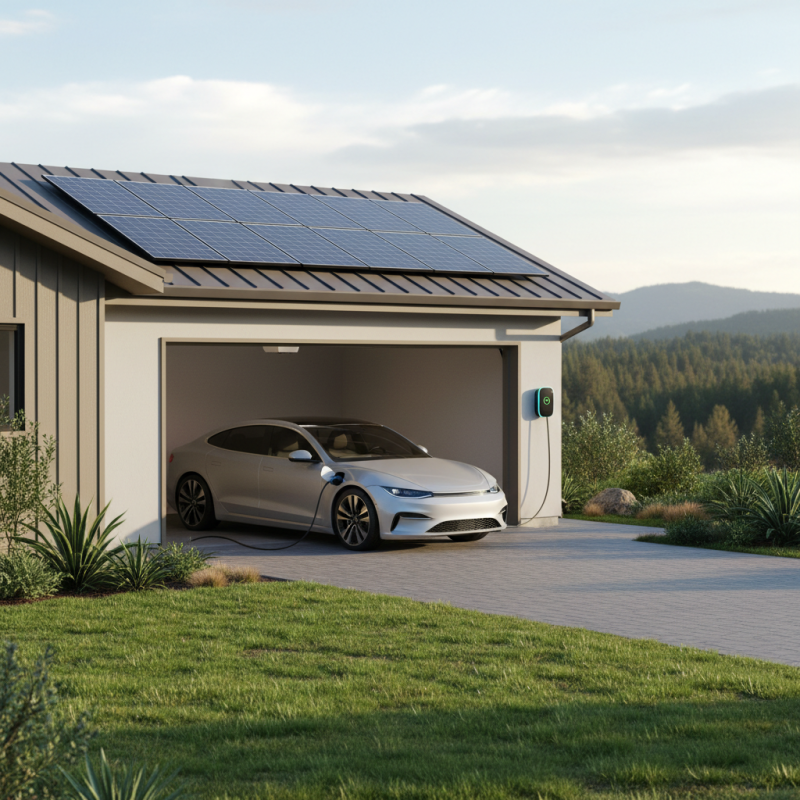
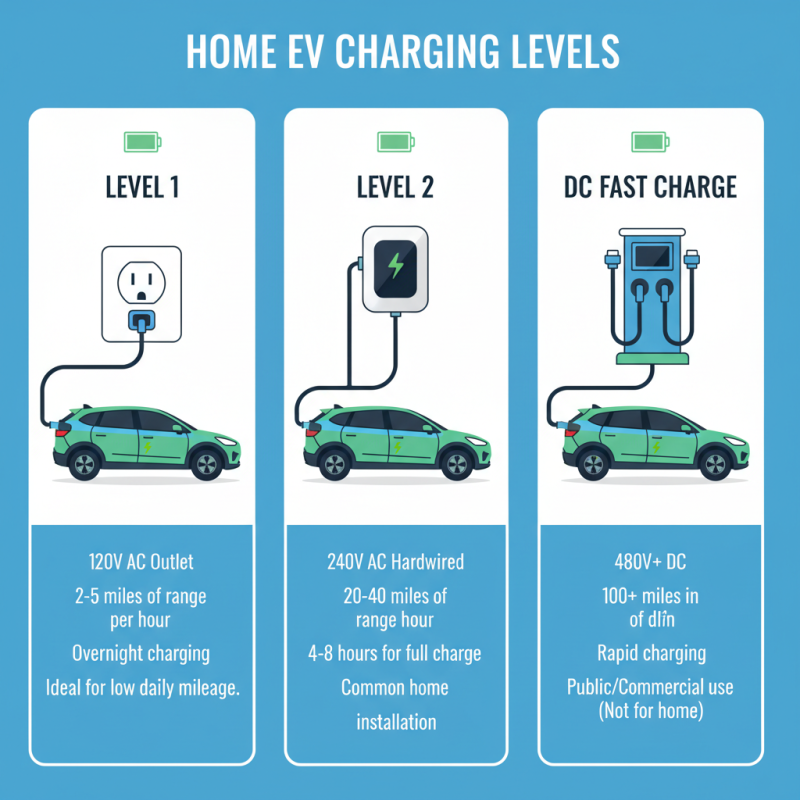
When considering installing an EV charging point at home, it's essential to understand the different types of chargers available. Generally, EV charging points can be categorized into three types: Level 1, Level 2, and DC fast chargers. Level 1 chargers use a standard 120-volt outlet and are typically suitable for overnight charging, providing a slower but convenient option for homeowners. This type is ideal for those with low daily mileage and the option to charge overnight.
Level 2 chargers, on the other hand, require a 240-volt outlet and offer significantly faster charging times, making them more practical for regular use. This type is popular among electric vehicle owners who need to quickly recharge during the day or have longer commuting distances. Level 2 chargers typically come with a variety of power outputs, allowing for customization based on individual needs and usage patterns.
DC fast chargers are less common for residential use due to their high power requirements, but they can deliver an extensive charge in a short amount of time. These chargers are generally more expensive and usually found in public charging stations. Choosing the right type of EV charging point depends on the vehicle's battery size, daily mileage, and charging habits, making it crucial to assess one’s specific needs before installation.
Before installing an EV charging point at home, it is essential to evaluate your home's electrical system. This initial assessment ensures that your existing setup can support the charging equipment without compromising safety or efficiency. Start by examining the main electrical panel, which must have sufficient capacity to handle the additional load imposed by the charger. Typically, a Level 2 charging station requires a dedicated circuit, often drawing between 30 to 50 amps depending on the unit's power output.
In addition to checking the main panel's capacity, inspect the wiring throughout your home. Older homes may have outdated wiring that cannot adequately support modern electrical demands. Look for any signs of wear or damage, and consider consulting a licensed electrician to evaluate the integrity of your electrical system. They can also help determine if any upgrades, such as replacing old circuits or installing additional breakers, are necessary to accommodate the new charging point safely. Properly addressing these factors not only enhances your EV charging experience but ensures compliance with local building codes and electrical safety standards.
Choosing the right location for your home EV charging point is crucial for maximizing convenience and efficiency. According to a recent report by the International Council on Clean Transportation, over 80% of electric vehicle (EV) owners charge their vehicles at home, making the location of the charging point critical to their daily routines. When considering the best spot for installation, it’s important to have access to a dedicated electrical circuit, preferably near the parking area. Ideally, the charging point should be positioned in a sheltered environment to protect it from the elements and facilitate easy access.
Furthermore, factors such as cable length, proximity to your garage or driveway, and potential obstructions should also play a role in your decision. A study from the U.S. Department of Energy suggests that a location with minimal interruptions to daily vehicle use, such as the proximity to the main entrance of your house, can enhance user experience significantly. Additionally, ensuring that the charging station is at least 5 feet away from obstructions can provide ample space for vehicle maneuvering, further increasing the practicality of the setup. By carefully selecting the right location, homeowners can optimize their EV charging experience for both functionality and ease of use.
| Location Factor | Considerations | Pros | Cons |
|---|---|---|---|
| Garage | Easily accessible; protects the charger from weather. | Convenience; safety from vandalism. | Limited space; may require garage modification. |
| Driveway | Easy access when parked; potential for charging while parked. | Direct access to street; good visibility. | Risk of obstruction; may require contractor work. |
| Backyard | Less visible; can be protected from elements. | Increased privacy; flexibility in design. | More distance from utility source; potential for longer installation process. |
| Alongside a Wall | Space-efficient; keeps the unit out of the way. | Suitable for smaller properties; easy access. | Requires clear access; may limit charging options. |
Installing an EV charging point at home can greatly enhance the convenience of owning an electric vehicle. The first step in this process involves choosing the right location for the charging unit. Ideally, it should be easily accessible for your vehicle and situated near your home’s electrical panel to minimize installation costs. Before moving forward, it's crucial to check the electrical capacity of your home. Consulting with a licensed electrician can help determine whether your current system can handle the additional load of an EV charger.
After selecting a location, you will need to obtain the necessary permits and ensure compliance with local building codes. This process often involves submitting plans to your local authority for approval. Once you have the green light, you can proceed with the installation. Proper wiring and a suitable circuit breaker are essential to ensure safety and functionality. Finally, testing the installation is crucial to verify that everything works correctly before you start charging your vehicle. Following these steps will ensure a smooth and effective setup for your home EV charging point, making your transition to electric driving seamless.
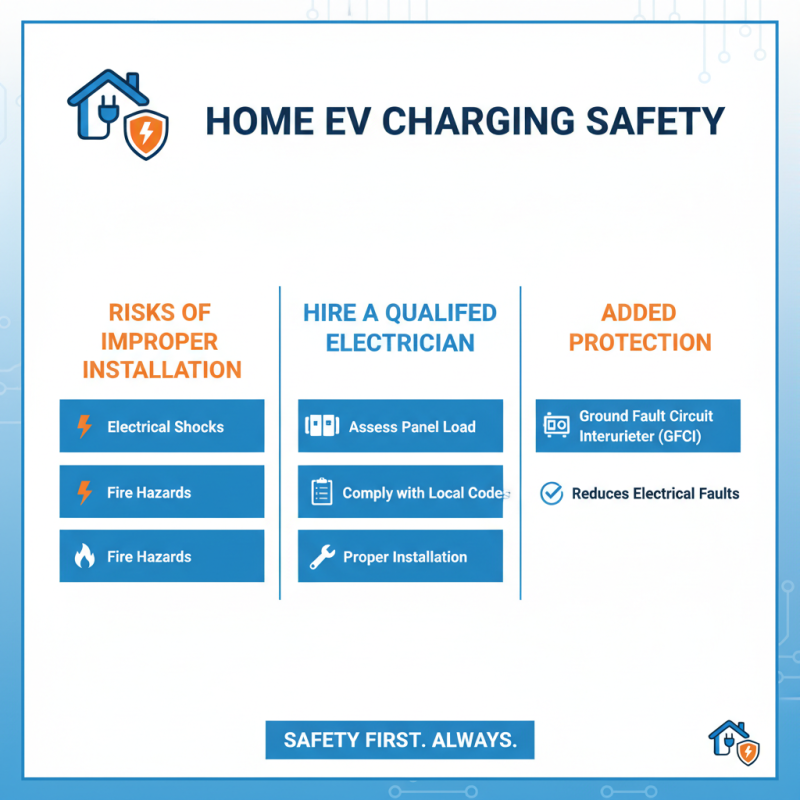
When installing a home EV charging point, safety considerations should be at the forefront of your planning. According to a report from the Electric Power Research Institute, improper installation of charging stations can lead to electrical hazards, including shocks or fire risks. Therefore, hiring a qualified electrician to assess your home’s electrical system is essential. They should ensure that your panel can handle the additional load and install the charger according to local electrical codes and standards. Furthermore, having a ground fault circuit interrupter (GFCI) can significantly reduce the risk of electrical faults during operation.
Once the charging point is installed, regular maintenance is crucial to ensure safety and efficiency. The National Fire Protection Association highlights that routine inspections can help detect issues like frayed cables or weather damage. Homeowners should periodically check for any signs of wear and tear and ensure that all connections are secure. It is recommended to clean the charging station and connectors regularly and to consult a professional for an annual check-up. Following these guidelines not only prolongs the lifespan of the EV charging station but also maintains safe operation as electric vehicle adoption accelerates, projected to reach 30% of all vehicle sales by 2030, as indicated by McKinsey & Company.