How to Choose the Best Car Inverter Charger for Your Needs?
Choosing a Car Inverter Charger can be overwhelming. With numerous options on the market, it’s essential to know what meets your needs. A car inverter charger allows you to power devices while on the road. This versatility can enhance your travel experience significantly.
First, consider the power output. Different gadgets require different wattages. For example, charging a laptop needs more power than a smartphone. Understanding your devices is crucial. Check the specifications of your electronics before making a decision. Not all chargers are created equal. Some may overheat or provide insufficient power.
Next, think about portability and durability. If you're traveling frequently, a lightweight option could be beneficial. Durability matters, too. A reliable charger can withstand wear and tear. It’s vital to invest in a trusted brand. Look for user reviews and ratings. This can help ensure you're making a wise choice. Remember, a quality car inverter charger can be a valuable tool for your adventures.
Understanding Car Inverter Chargers and Their Functions
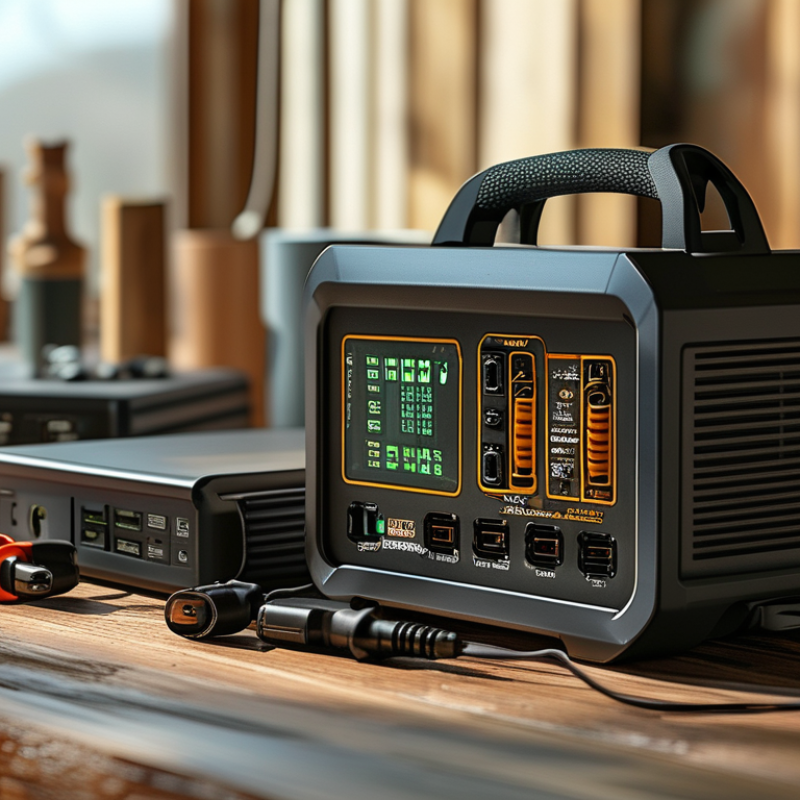
Car inverter chargers are crucial for using electronic devices in vehicles. They convert DC power from your car battery into AC power. This allows you to charge phones, laptops, or appliances. According to industry reports, the global car inverter market continues to grow, projected to reach $2 billion by 2027. Understanding their function is essential for effective usage.
When choosing an inverter charger, consider wattage. Devices require different power levels. For example, a mobile phone charger may need only 10 watts, while a laptop might need 60 watts. It’s wise to select a unit with about 20% more capacity than your needs. This ensures better performance.
Tips: Always check the inverter's safety features. Look for overload protection and short circuit prevention. These aspects enhance reliability. Read reviews and expert opinions to validate your choices.
Another important aspect is the inverter type. Modified sine wave inverters are cheaper but may not be suitable for all devices. Pure sine wave inverters deliver cleaner power but come at a higher cost. Assess your specific devices' needs before making a decision. Choices may not always be straightforward; research thoroughly to avoid mismatched expectations.
Identifying Your Power Needs: Calculating Wattage Requirements
When choosing a car inverter charger, calculating your wattage needs is essential. Begin by listing the devices you plan to power. For instance, phones, laptops, and small appliances all have different wattage requirements. Many devices specify their power needs on their labels. This can help you avoid overloading the charger.
Tips: Use a power meter to check the actual wattage draw of your devices. This ensures you have accurate data for your calculations.
Consider the peak wattage as well. Some devices, like power tools, need a higher surge at startup. This can be different from their normal running wattage. An inverter that can handle these peaks is crucial for optimal performance.
Tips: Always account for additional wattage if you might run multiple devices. This offers a buffer to protect your inverter from damage.
Lastly, confirm the inverter’s capability to sustain your devices' requirements without overheating. If you frequently use high-wattage items, choosing a robust model is wise. Inverter reliability is vital, especially on long trips.
Types of Car Inverter Chargers: Modified vs. Pure Sine Wave
When choosing a car inverter charger, understanding the difference between modified sine wave and pure sine wave options is crucial. Modified sine wave inverters are generally more affordable. They work well for basic electronics. However, they may not be ideal for sensitive devices. A recent industry report revealed that about 30% of users experience issues with this type of inverter when powering delicate equipment.
Pure sine wave inverters provide a cleaner output. They closely resemble the electricity supplied by utility companies. This makes them better suited for powering complex devices such as laptops and medical equipment. Data from an electrical efficiency study indicates that pure sine wave inverters can improve efficiency by up to 15% compared to modified ones. For users relying on high-performance devices, this aspect can be critical.
The decision between the two types often reflects a compromise between cost and performance. Many users initially opt for
modified sine wave inverters, only to upgrade later. As such, understanding your specific needs is important. Consider the types of devices you will be using. Reflect on the long-term implications of your choice, rather than focusing solely on initial costs.
Key Features to Consider When Choosing a Car Inverter Charger
Choosing the right car inverter charger is crucial for various needs. When selecting one, consider the wattage output. Most chargers range from 150 to 2500 watts. If you're powering small devices like phones, a lower wattage may suffice. However, for heavy-duty appliances, aim for higher wattage. According to industry reports, around 60% of users find inadequate power a significant drawback.
Another important feature is the number of ports. Many chargers offer multiple USB ports alongside AC outlets. This allows you to charge several devices simultaneously. Research shows that more than 70% of users prioritize this functionality for road trips and camping. A well-designed inverter should have clear indicators for power output and battery status, enhancing usability.
Don't overlook safety features. Look for built-in protections against overvoltage, overcurrent, and overheating. Reports indicate that these features can reduce the risk of device damage significantly. Inverters without reliable safety mechanisms often lead to device malfunctions. When choosing, reflect carefully on each feature's importance for your lifestyle.
How to Choose the Best Car Inverter Charger for Your Needs? - Key Features to Consider When Choosing a Car Inverter Charger
| Feature |
Description |
Importance Level |
| Power Output |
The total wattage the inverter can handle, usually ranging from 150W to 3000W. |
High |
| Input Voltage |
The voltage of the car battery, typically 12V or 24V. |
Medium |
| Number of Outlets |
How many devices you can charge or power at once. |
Medium |
| Safety Features |
Includes overload protection, short circuit protection, and thermal shutdown. |
High |
| Portability |
The weight and size of the inverter for easy transport and storage. |
Medium |
| Cooling System |
Type of cooling mechanism to prevent overheating during use. |
Medium |
| Warranty |
Duration of the warranty period offered by the manufacturer. |
High |
Safety Measures and Installation Tips for Car Inverter Chargers
When choosing a car inverter charger, safety should be a top priority. Ensure that the inverter has built-in protections against overheating, short circuits, and overloading. These features can significantly reduce the risk of damage to your vehicle or devices. Regularly inspect the inverter for any signs of wear or damage. If there are any unusual smells or heat, turn it off immediately.
Installation is another key aspect. Choose a well-ventilated area in your car for the inverter. This helps in preventing overheating. Use appropriate wiring and connectors to ensure secure connections. Pay attention to the inverter's grounding. A proper ground connection minimizes risks and enhances performance.
Tips for safe operation include not exceeding the power rating of the inverter. Know the wattage of your devices. Sometimes, it's a challenge to stay within limits. Be mindful of how many devices you connect at once. Overloading the inverter can lead to failures. Finally, when parking, avoid leaving the inverter connected for long periods, as this can drain your car battery. Keep these precautions in mind to ensure a safe and efficient experience with your car inverter charger.