How to Choose the Best EV Wall Charger for Your Home?
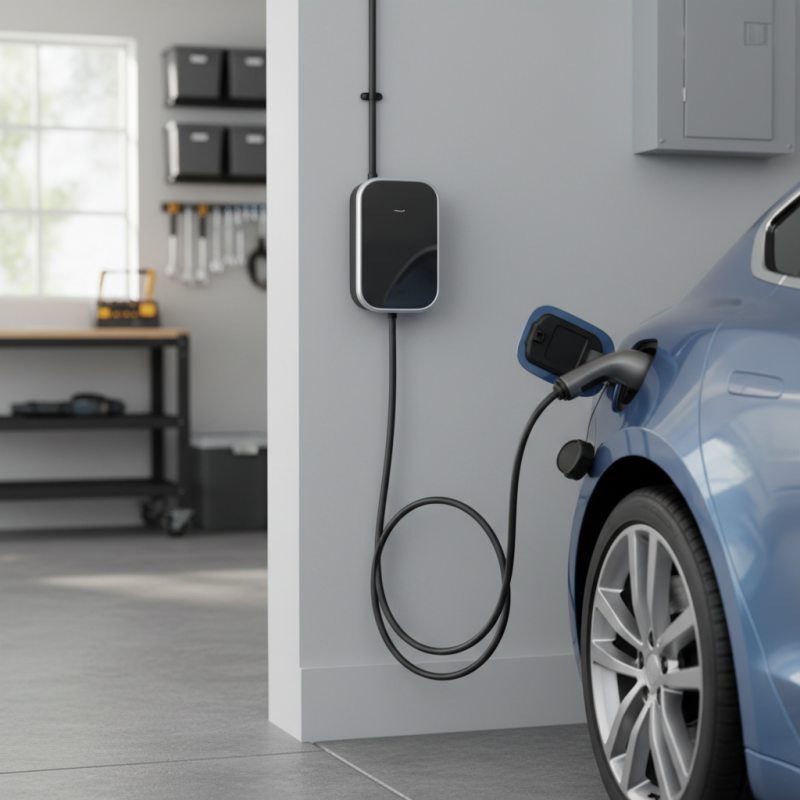
Choosing the best EV wall charger for your home is crucial. It affects your electric vehicle's performance and your overall experience. An ideal charger ensures efficiency and convenience.
Consider the power output. A higher kilowatt rating can charge your car faster. Look for compatibility with your vehicle model. Not all chargers work with every car. It’s also essential to check installation requirements. Some units require special wiring.
Moreover, think about the location of the charger. It should be easily accessible. You want to avoid any unnecessary hassle while charging. Reflect on your charging habits. Do you need a smart charger? Features like Wi-Fi connectivity add convenience. Ultimately, the right EV wall charger can enhance your daily life while supporting your eco-friendly choice.
Understanding Electric Vehicles and Charging Needs
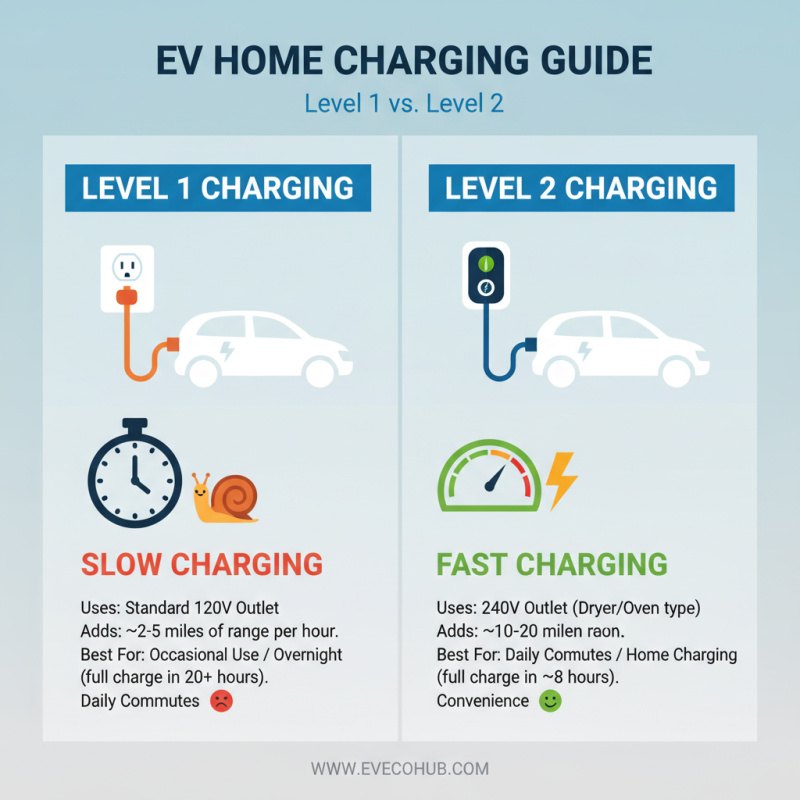
Electric vehicles (EVs) require specific charging needs that differ from conventional cars. Home charging solutions can vary significantly in terms of power output. Understanding the distinctions between Level 1 and Level 2 chargers is essential. Level 1 chargers use standard outlets, offering slow charging. They may suit occasional users but can be frustrating for daily commutes.
On the other hand, Level 2 chargers provide a much faster charging rate. These are often installed in garages and can replenish an EV within a few hours. However, installation may be complex and could involve electrical upgrades. Homeowners should consider their daily driving habits carefully. Would a simple outlet suffice, or is a more robust charger necessary?
There's no one-size-fits-all answer. Factors like the size of the EV's battery, driving range, and frequency of use play a crucial role. Many might overlook the importance of convenience versus cost. Some may think they need a high-powered charger, only to find that their driving patterns don’t warrant it. Others could invest time and resources into setups that don’t align with their lifestyles. Recognizing these mismatches is vital for making informed choices.
Evaluating Different Types of EV Wall Chargers
When evaluating different types of EV wall chargers, the key is understanding their specifications and benefits. Level 1 chargers use standard home outlets. They are convenient but slow, providing about 5 miles of range per hour of charging. For many, this is insufficient. A report by the Department of Energy highlights that most EV drivers prefer faster charging options.
Level 2 chargers are more popular. They require a 240-volt outlet, delivering 10 to 60 miles of range per hour. This significant increase can save time and frustration. However, installation costs can be high, sometimes exceeding $1,000. Not everyone accounts for this expense when choosing a charger.
Furthermore, DC fast chargers are available. These are not typically installed at home, but they charge an EV quickly, often to 80% in 30 minutes. However, the overall cost and accessibility can be a concern. In urban areas, drivers might find them more useful than in rural settings. Ultimately, each type of charger serves different needs. Evaluating your driving habits and home infrastructure is crucial.
How to Choose the Best EV Wall Charger for Your Home? - Evaluating Different Types of EV Wall Chargers
| Charger Type |
Charging Speed |
Installation Type |
Cost |
Smart Features |
| Level 1 Charger |
2-5 miles/hour |
Plug-in |
$300 - $600 |
No |
| Level 2 Charger |
10-60 miles/hour |
Hardwired/Plug-in |
$500 - $1,200 |
Yes (Wi-Fi, App Control) |
| DC Fast Charger |
60-100 miles/30 minutes |
Hardwired |
$10,000 - $40,000 |
Yes (Monitoring, Diagnostics) |
| Portable Charger |
2-20 miles/hour |
Plug-in |
$200 - $700 |
No |
Key Features to Consider in an EV Wall Charger
When choosing an EV wall charger for your home, consider essential features that meet your needs. One key aspect is charging speed. Level 2 chargers are common for home use. They provide quicker charging than standard outlets. A good charger reduces the wait time, allowing you to charge overnight without stress.
Another feature is the charger’s compatibility. Ensure it works with your vehicle model. Some chargers come with universal connectors, but others may require specific plugs. This can lead to frustration. Always check compatibility before making a choice.
Safety features are also crucial. Look for chargers with built-in protections, like overcurrent and overheating prevention. This can provide peace of mind. Remember, installation type matters too. Wall-mounted chargers save space, but consider the layout of your garage. Not all installations are straightforward. Take time to plan your setup carefully.
Estimating Costs and Budget for Your EV Charging Solution
When selecting an EV wall charger, budgeting is crucial. The initial installation cost can vary significantly. A Level 2 charger typically costs between $400 and $700, excluding installation fees. Installation expenses can range from $300 to $1,200. This depends on your home's electrical system and location of the charger.
Consider the potential energy savings as well. According to the U.S. Department of Energy, charging an EV can cost about 60-70% less than fueling a gasoline vehicle. Roughly, this translates to about $500 annually for an average EV. However, initial costs can be daunting for some homeowners. Projects might also require circuit upgrades, adding further costs to the budget.
In planning your expenses, it helps to search for local incentives. Many states offer rebates that can significantly reduce upfront costs. Paying attention to your local energy rates might help you estimate recurring monthly costs, too. Hidden expenses could arise from the need for additional permits or inspections. Thus, being thorough with the budget will lead to better decisions in the long run.
EV Wall Charger Cost Comparison
This chart compares the estimated costs of different types of EV wall chargers, helping homeowners to make an informed decision based on their budget.