How to Choose the Best DC Fast Charger for Your Electric Vehicle Needs
As the demand for electric vehicles (EVs) continues to rise, so does the need for efficient and reliable charging solutions. One of the most critical components of this infrastructure is the DC fast charger, which offers significant advantages over traditional charging methods. With the ability to deliver high power levels, DC fast chargers drastically reduce charging times, making them an attractive option for both individual EV owners and commercial operators seeking to provide quick and convenient charging options.
Choosing the best DC fast charger for your needs involves understanding various factors, including charging speed, compatibility with different EV models, installation requirements, and overall cost. In a market filled with numerous options, it is essential to evaluate choices carefully to ensure that you select the most suitable charger for your specific circumstances. Whether you are a frequent traveler needing swift recharges or a business owner looking to cater to a growing clientele of electric vehicle users, making an informed decision about the right DC fast charger can significantly enhance your charging experience and the overall efficiency of your electric vehicle usage. This guide will explore the key considerations to help you navigate the selection process effectively.

Understanding DC Fast Chargers and Their Benefits for EVs
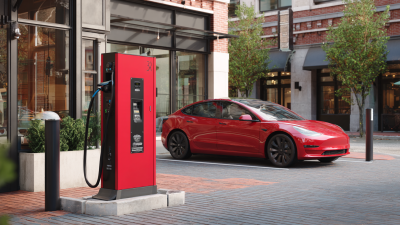
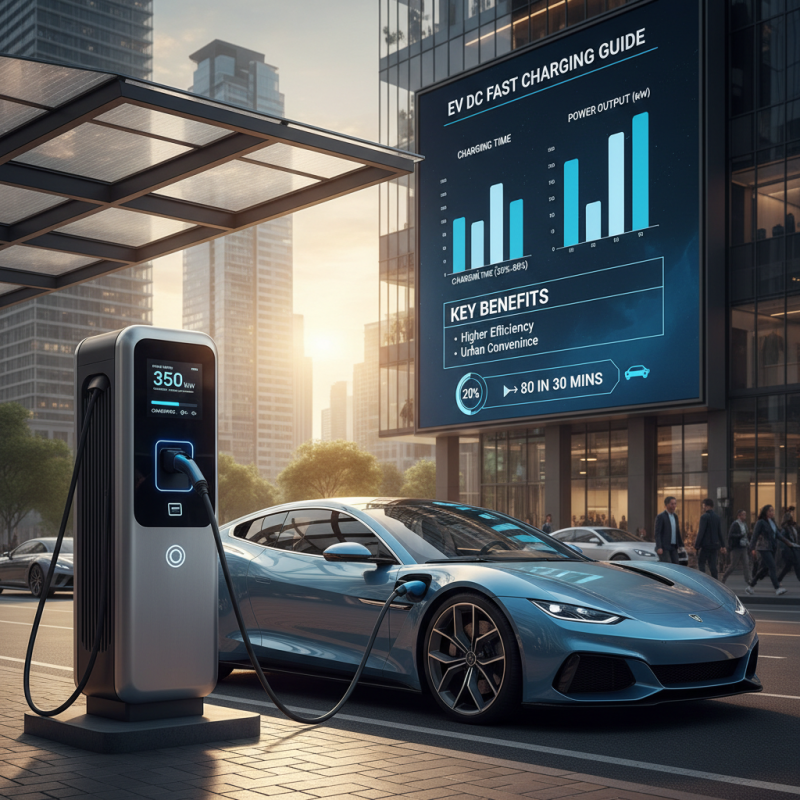
When it comes to electric vehicles (EVs), understanding DC fast chargers is crucial for maximizing their benefits. DC fast chargers, unlike traditional AC chargers, provide high-powered energy directly to the vehicle's battery, significantly reducing charging time. This technology enables EV owners to charge their vehicles to approximately 80% in as little as 30 minutes, making them particularly valuable for long-distance travel or quick stops during day-to-day commutes. Additionally, DC fast chargers are often strategically located along major highways, offering convenient access for EV users.
Tips for choosing the right DC fast charger include assessing your driving habits and identifying the types of connectors your vehicle requires. It’s essential to ensure compatibility with your EV to avoid any charging delays. Furthermore, consider the charging station’s availability and network reliability in your area. Some charging networks provide mobile apps to help locate the nearest stations and monitor real-time availability, which can enhance your overall experience by reducing downtime.
Another key factor is the charging speed. While most DC fast chargers can deliver between 50 kW to 350 kW, the actual charging speed can vary based on the vehicle's maximum charging rate. Always refer to your vehicle's specifications to select a charger that suits your needs. Prioritizing chargers that offer faster speeds can further enhance your efficiency, minimizing the time spent waiting to recharge your vehicle.
DC Fast Charger Comparison for Electric Vehicles
Key Factors to Consider When Choosing a DC Fast Charger
When choosing the best DC fast charger for your electric vehicle (EV), several key factors should be considered to ensure compatibility, efficiency, and user convenience. One critical factor is the power output of the charger, usually measured in kilowatts (kW). According to a recent report by the International Energy Agency, EV chargers with a higher kW rating can significantly reduce charging time, allowing an EV to charge from 20% to 80% in as little as 30 minutes. This is essential for urban drivers who may need quick top-ups during busy schedules.
Another important consideration is the type of connector the charger uses, as different EV models may require specific charging plugs. Ensuring compatibility with widespread charging standards, such as CCS or CHAdeMO, is vital for maximizing the usability of the charger. Furthermore, consider the charger’s location and accessibility. Research from the U.S. Department of Energy indicates that convenient charging locations can dramatically increase EV adoption rates, highlighting the need for chargers that are not only powerful but also easy to access.
Tips: When evaluating DC fast chargers, prioritize chargers with robust safety features, such as overcurrent and overvoltage protection. Additionally, consider integrating a smart charging system that allows for remote monitoring and control, enhancing user experience and flexibility. Lastly, evaluate the potential for future upgrades, as the EV market is rapidly evolving, and investing in a scalable charger can provide long-term value.
Assessing Charging Speed and Compatibility with Your Electric Vehicle
When selecting a DC fast charger for your electric vehicle (EV), assessing charging speed and compatibility with your specific model is crucial. DC fast chargers are designed to deliver high power directly to the EV's battery, allowing for significantly reduced charging times compared to Level 2 chargers. Consider the charging speed measured in kilowatts (kW); faster chargers can reduce downtime significantly, particularly for those who frequently travel long distances or rely on quick charging between appointments.
Compatibility with your electric vehicle is another key factor. Different electric vehicle models support varying charging standards, such as CHAdeMO or CCS (Combined Charging System). Before purchasing a DC fast charger, ensure that it is compatible with your vehicle's charging port to avoid any inconveniences. It's also beneficial to check the charger's output capability to match your vehicle's maximum charging rate, maximizing efficiency during each charging session.
Tips for choosing the right DC fast charger include evaluating your typical driving habits and determining how often you will need fast charging. If you drive long distances regularly, investing in a higher capacity charger could significantly enhance your EV experience. Additionally, consider future-proofing your investment by selecting chargers that support multiple standards or upgrades, ensuring that it will remain compatible with upcoming EV models.
How to Choose the Best DC Fast Charger for Your Electric Vehicle Needs - Assessing Charging Speed and Compatibility with Your Electric Vehicle
| Charger Type |
Charging Speed (kW) |
Connector Type |
Compatibility |
Price Range ($) |
| Level 2 AC Charger |
6.6 - 19.2 |
J1772 |
Most EVs |
400 - 800 |
| DC Fast Charger |
50 - 350 |
CHAdeMO, CCS |
Compatible EVs |
15,000 - 40,000 |
| Ultra-Fast Charger |
150 - 350 |
CCS |
Latest EV Models |
25,000 - 70,000 |
| Portable Charger |
3.7 - 7.7 |
J1772 |
Most EVs |
200 - 500 |
Evaluating Installation Options and Location for Your Charger
When selecting a DC fast charger for your electric vehicle, evaluating the installation options and location is crucial. The first step is to assess the physical space where the charger will be placed. An ideal location is one that offers easy access to power sources while minimizing the distance from the electrical panel to reduce installation costs. Consider areas like garages, driveways, or dedicated parking spaces that provide convenience for daily charging needs. Furthermore, ensure that the location is accessible year-round, factoring in seasonal weather conditions that could impact usage.
In addition to the physical space, it's essential to evaluate the electrical capacity of your chosen installation site. This involves examining the existing electrical infrastructure to determine if it can support the power requirements of a DC fast charger. If upgrades to the electrical system are needed, this can significantly impact overall costs and installation timelines. Furthermore, local regulations and permits may also influence your installation options, so it's advisable to check with local authorities for compliance. An informed decision regarding the location and installation of your DC fast charger can maximize efficiency and streamline your EV charging experience.
Cost Considerations and Incentives for DC Fast Charger Purchases
When considering the purchase of a DC fast charger for your electric vehicle, cost factors play a crucial role. The initial investment in a high-quality charger can be substantial, typically ranging from a few thousand to tens of thousands of dollars, depending on the specifications and power levels required. Beyond the purchase price, it is essential to factor in installation expenses, which can vary significantly based on the complexity of the installation site. Additionally, ongoing operational costs, such as electricity consumption and maintenance, should be taken into account to get a full picture of total ownership costs.
Fortunately, there are various incentives and rebates available that can help offset the costs associated with purchasing and installing a DC fast charger. Many government programs and utility companies offer financial incentives to encourage the adoption of electric vehicles and supporting infrastructure. These may include tax credits, grants, or favorable financing options that can significantly reduce the financial burden. Researching local and federal programs is essential, as these incentives can vary widely by location and can play a significant role in your decision-making process. By taking advantage of these opportunities, you can make a more informed choice that aligns with both your budget and your electric vehicle needs.