How to Choose the Best Car Fast Charger for Your Vehicle?
Choosing the best Car Fast Charger for your vehicle can be a daunting task. With the rise of electric vehicles (EVs), the demand for efficient charging solutions has surged. According to a recent report by the International Energy Agency (IEA), global electric vehicle sales reached 10 million units in 2022, a significant increase from previous years, highlighting the need for effective charging technology.
Industry expert Dr. Emily Cobb, a leading researcher at the Electric Vehicle Charging Institute, states, "Selecting the right Car Fast Charger is essential for maximizing your EV's performance and convenience." This emphasizes the significance of understanding charging capabilities and compatibility with your vehicle. Fast chargers can dramatically reduce charging time, allowing you to travel longer distances with confidence.
Despite the market’s growth, many consumers still face challenges. The sheer variety of options can be overwhelming. Different chargers offer various speeds and features, making it crucial to evaluate your specific needs. A charger that works for one model may not be suitable for another. Real-world experiences reveal that not all chargers deliver what they promise. Thus, thorough research is key to finding the right Car Fast Charger for your vehicle.
Factors to Consider When Choosing a Car Fast Charger
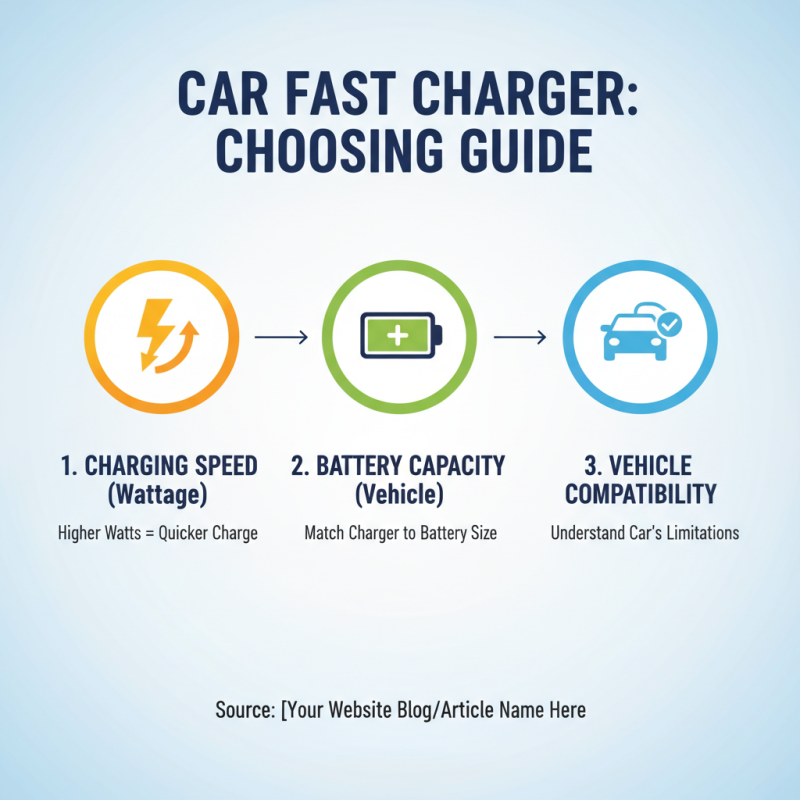
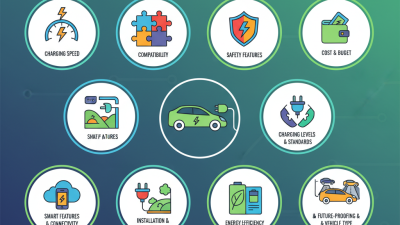
When selecting a car fast charger, several factors come into play. The charging speed is crucial. Some chargers provide higher wattage, leading to quicker charging times. Consider the battery capacity of your vehicle. A powerful charger may not make sense for smaller batteries. Not all vehicles support the same charging speeds. Understanding your vehicle's limitations is essential.
Another factor is the type of connector. Different vehicles utilize varying plug types. Ensure compatibility before purchasing. Look for chargers with multiple output options. This feature can offer flexibility for various devices. It's also advisable to check the length of the charging cable. A longer cable can provide easier access during use.
Durability plays a vital role too. A fast charger needs to withstand regular usage without overheating. It should also be well-constructed to resist wear and tear. Reflect on any past experiences with chargers that failed too quickly. Reliability and safety features are paramount. Check for built-in protections against overcharging or overheating. Investing in a robust, high-quality charger is key to longevity and performance.
Types of Fast Chargers Compatible with Different Vehicle Models
Choosing the right fast charger for your vehicle can be daunting. Different car models require different types of chargers. Understanding compatibility is key. For example, Tesla vehicles use a unique connector. They often require specific fast chargers designed for their battery management systems.
Other electric vehicles typically use J1772 connectors for Level 2 charging. This standard works with many popular brands. Some advanced charging stations support both J1772 and DC fast charging options. This flexibility can be very helpful. However, not all stations are created equal. Researching local charging stations can prevent frustration.
When selecting a fast charger, consider your vehicle’s range and charging speed. Some models may charge slower if the charger is not compatible. You'll want to weigh your charging needs against availability. Think about where you usually park or travel. It’s easy to overlook charging infrastructure when purchasing a vehicle. Awareness is crucial for making an informed decision.
How to Choose the Best Car Fast Charger for Your Vehicle?
This chart displays the charging speed (in kW) of different types of fast chargers compatible with various vehicle models. When choosing a fast charger for your vehicle, consider the charging speed and compatibility with your specific model to ensure optimal performance.
Key Features to Look for in a High-Quality Fast Charger
When selecting a fast charger for your vehicle, several key features should guide your decision. One crucial aspect is the charging speed, typically measured in kilowatts (kW). According to industry reports, a charger with at least 7 kW can significantly reduce charging time. Fast chargers can range from 22 kW to 150 kW, so consider your specific vehicle's compatibility and needs.
Another important feature is the connector type. Different vehicles come with distinct standards. Most fast chargers utilize the CCS (Combined Charging System) or CHAdeMO protocols. Research shows that compatibility can affect charging efficiency, making this a crucial element in your choice. Additionally, look for safety features. Overload protection and thermal management are essential to prevent overheating and ensure reliability.
Tip: Check for chargers with user-friendly interfaces. Display screens can provide real-time charging status, enhancing convenience.
Another consideration is mobility. Portable chargers offer flexibility, but they might lack the power for fast charging. Stability is key; a higher-rated charger usually provides consistent performance. Some models may promise rapid charging times but can underperform if not properly matched with the vehicle's system.
Tip: Always read user reviews. They can provide insights about real-world performance and reliability, helping to ensure your investment is worthwhile.
Safety Standards and Certifications for Fast Car Chargers
When choosing a fast car charger, safety standards and certifications are paramount. Look for chargers that comply with industry regulations. Chargers should have certifications from recognized bodies, such as UL or ETL. These certifications assure the consumer that the product has undergone rigorous testing.
Consider the charging speed and compatibility. Not all chargers are created equal. Some may promise rapid charging but fall short due to subpar safety features. Always check for over-voltage, over-current, and short-circuit protection. These features protect both the charger and the vehicle.
Reflecting on personal experiences can be enlightening. Sometimes, a charger that initially seems high-quality may lead to overheating concerns. Reading user reviews can help. Engage with a community of car owners to gather insights. Prioritize safety standards, but do not disregard the importance of real-life reviews. Choosing a charger is as much about performance as it is about safety.
How to Choose the Best Car Fast Charger for Your Vehicle? - Safety Standards and Certifications for Fast Car Chargers
| Feature |
Description |
Safety Standards |
Certifications |
| Charging Speed |
Typically ranges from 30W to 300W depending on the charger type. |
UL, IEC, CE |
QC, PD |
| Compatibility |
Check if compatible with both electric and hybrid vehicles. |
ISO 26262 |
RoHS |
| Portability |
Some chargers are designed for home use, while others are compact for travel. |
FCC |
CPUC |
| Overcharge Protection |
Built-in mechanisms to prevent overcharging and heat damage. |
EN 61000-3-2 |
Energy Star |
| Durability |
Materials used should withstand heat and wear. |
IP Rating |
ISO 9001 |
Comparing Brands and Price Points for Best Fast Chargers
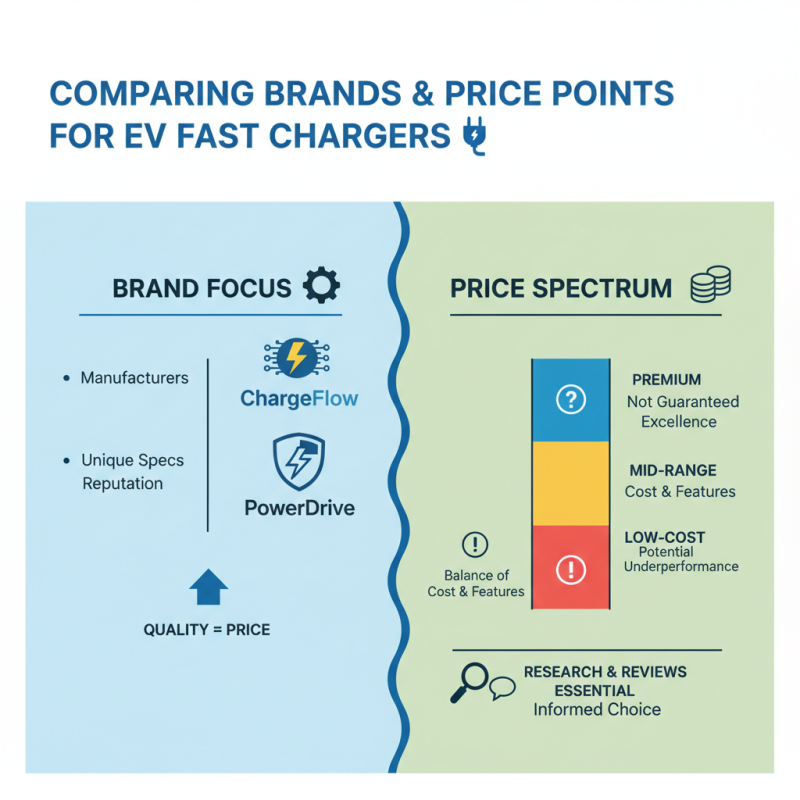
When selecting the best fast charger for your vehicle, considering brands and price points is crucial. A variety of manufacturers offers chargers with unique specifications. Price often reflects quality, but not always. Some low-cost options may underperform. However, premium brands don’t guarantee excellence either. Research and comparisons are essential. Reviews from reliable sources can guide you.
Evaluate the charging speed based on your vehicle’s requirements. Different cars support various voltage levels and amperage. This detail can mean a significant difference in charging times. Check compatibility before making a purchase. Some consumers overlook this, leading to frustrating experiences. Warranty and customer service also matter for lasting satisfaction.
Another reflection point is usability; some chargers are bulky or inconvenient. Compact designs may be appealing, but they should not compromise functionality. Look for user-friendly features and smart technology integration, if applicable. Ultimately, the goal is to find a charger that meets your needs without overspending.