2026 Best Ev Home Charger Options for Global Buyers?
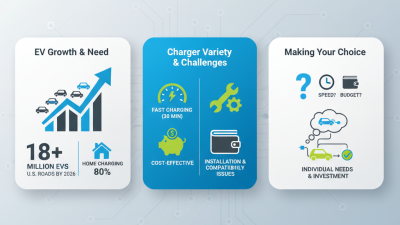
As electric vehicles (EVs) gain popularity, the demand for efficient charging solutions is on the rise. The right EV home charger can provide convenience, speed, and peace of mind. Understanding which EV home charger fits your needs is essential in today's market.
In this evolving landscape, several options are available worldwide. Some chargers are designed for quick charging, while others emphasize durability and smart features. Buyers should consider factors such as charging speed, compatibility, and ease of installation. Not all brands are created equal, and the choices can feel overwhelming.
Moreover, regional differences may impact availability and pricing, creating additional layers of complexity. Each buyer's situation is unique, requiring careful evaluation and reflection on what features truly matter. As we delve into the best options for 2026, it's crucial to make informed decisions that align with individual lifestyles and preferences.
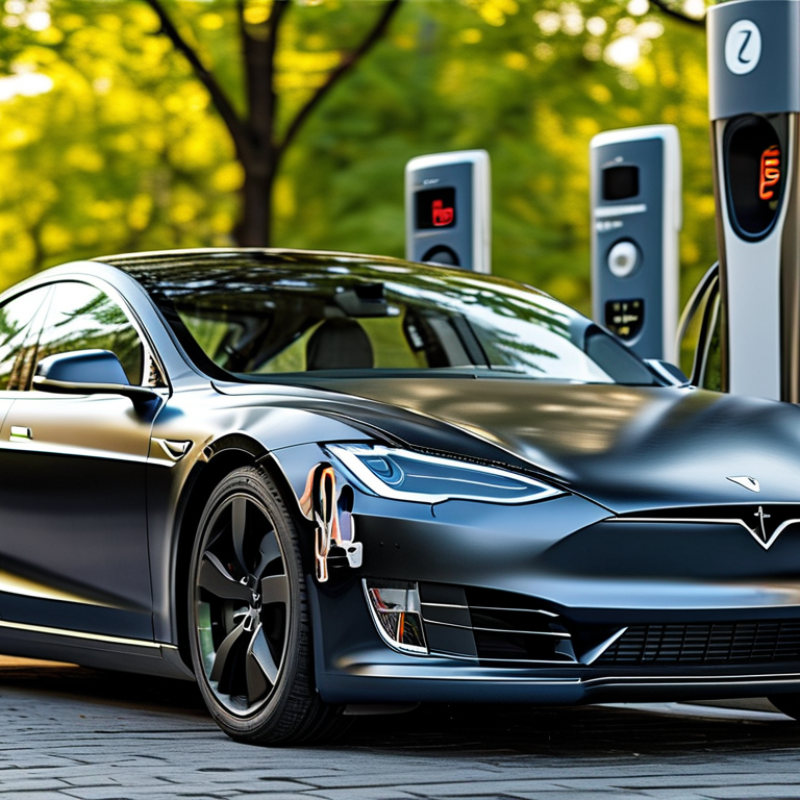
2026 Global Market Overview for Electric Vehicle Home Chargers
The global electric vehicle (EV) home charger market is rapidly evolving. According to a report by Allied Market Research, the market size was valued at approximately $3 billion in 2022. It is projected to reach around $12 billion by 2030, growing at a CAGR of about 20%. This surge reflects the increasing demand for eco-friendly transportation and the expansion of EV infrastructure.
In 2026, a diverse range of home charger options will cater to varying consumer needs. Fast chargers are becoming more popular, as they significantly reduce charging times. Standard Level 2 chargers remain prevalent due to their affordability. However, consumers are faced with a notable challenge: compatibility with different EV models. Not all chargers work universally, leading to confusion.
Consumer education is vital. Many buyers may underestimate the importance of choosing the right charger. This often results in a mismatch with their EV, leading to suboptimal charging performance. Reports indicate that almost 30% of EV owners experience issues related to inadequate home charging setups. As the market grows, so too will the complexity of available solutions. Understanding these details will become increasingly crucial for global buyers.
2026 Best Ev Home Charger Options for Global Buyers
| Charger Type |
Charging Speed (kW) |
Cable Length (m) |
Smart Features |
Price (USD) |
| Level 1 Charger |
1.4 |
3.0 |
Basic |
300 |
| Level 2 Charger |
7.2 |
5.0 |
Wi-Fi, App Control |
600 |
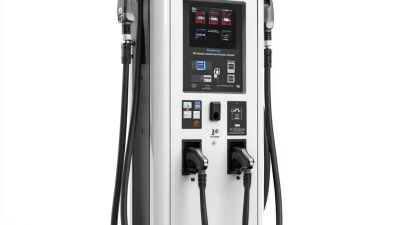
| DC Fast Charger |
50 |
2.0 |
Remote Monitoring |
15000 |
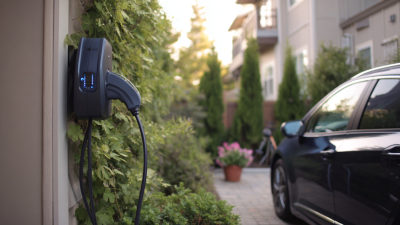
| Wall-mounted Charger |
7.2 |
5.0 |
Voice Control |
550 |
| Portable Charger |
3.6 |
1.5 |
No |
400 |
Key Features to Consider When Selecting an EV Home Charger
When selecting an EV home charger, several key features require careful consideration. Power output is a critical factor. Most home chargers range from 3.7 kW to 22 kW. A higher output means faster charging. However, check your car’s compatibility. Some EVs cannot utilize higher power levels.
Connector types also matter. There are different standards across regions. Ensure the charger’s connector fits your vehicle. Additionally, look for smart features. Chargers with Wi-Fi or app connectivity can help you monitor charging time and costs. This connectivity can enhance convenience and efficiency.
**Tips:** Always assess your home's electrical capacity. Upgrading your electrical panel might be necessary. It’s essential for safety and efficiency. Installation costs can vary, so seek multiple quotes. Lastly, consider the charger’s warranty and customer support. A long warranty reflects confidence in the product. But if issues arise, reliable support is invaluable.
Comparison of Charging Speeds: Level 1 vs. Level 2 EV Chargers
When choosing an EV charger, understanding charging speeds is crucial. Level 1 chargers are often the most accessible. They use a standard 120-volt outlet. Charging is slow, typically providing 4-5 miles of range per hour. This might suit overnight charging for those with short daily commutes, but it may be inadequate for others.
In contrast, Level 2 chargers operate at 240 volts. They can deliver 25 miles of range or more per hour. Statistics show that Level 2 charging is becoming more popular, especially in residential settings. According to industry reports, about 80% of EV owners prefer Level 2 for its efficiency. However, installation costs can be higher, and some homes may not be equipped for this upgrade.
There is room for improvement in the charging experience. While many installations are straightforward, some homes may face electrical limitations. Upgrading can be a hassle. Not all users need fast charging speeds. Drivers with longer commutes may feel pressure to install faster options. Ultimately, choosing the right charger should reflect individual needs and daily driving habits. Balancing convenience, cost, and charging speed is essential for every buyer.
Cost Efficiency Analysis: Installation and Energy Usage for Home Chargers
The cost efficiency of home EV chargers mainly revolves around installation and energy usage. Research indicates that the average installation cost for a Level 2 charger ranges from $800 to $2,000. This variation is influenced by the complexity of the electrical work needed. Many homes may require panel upgrades or additional wiring, which can drive up costs. It's essential to get a qualified electrician to assess your home's specific needs.
Energy consumption for home chargers typically falls between 3.7 to 19.2 kW, depending on the charger type and vehicle model. Regular use can lead to significant electricity bills. For example, charging an EV at home can add around $20 to $40 monthly to your electric bill, based on average energy rates of $0.13 per kWh. Homeowners should consider time-of-use plans to reduce costs. Charging during off-peak hours can lead to substantial savings over time.
Reflecting on these factors is crucial. While the initial investment in a home charging station may seem steep, long-term savings on fuel and maintenance can be appealing. However, prospective buyers should carefully evaluate their situation. Are they prepared for potential electrical upgrades? Do they frequently use public chargers, which might be more economical for infrequent drivers? Balancing installation costs with energy efficiency will lead to the best decision.
Top Brands and Models Dominating the 2026 EV Charger Market
As the demand for electric vehicles (EVs) surges globally, the charger market is rapidly evolving. The International Energy Agency (IEA) projects that by 2026, global EV sales could reach 30 million units annually. This increase will necessitate a significant expansion in charging infrastructure. Some models are designed to accommodate faster charging, catering to the needs of longer commutes.
Numerous brands are emerging as leaders in this sector due to their innovative technology. Recent reports highlight that home charging solutions now incorporate smart features. These features allow users to schedule charging, optimize costs, and monitor energy usage in real time. However, consumer awareness of these technologies remains low. Many buyers struggle to distinguish between available options and their respective capabilities.
Despite advancements, not all chargers meet the expected standards. Many models still lack user-friendly interfaces, causing frustration among consumers. The safety features of some chargers also warrant closer scrutiny. As the EV market matures, manufacturers must prioritize quality and reliability in their products. Overall, while promising developments are underway, potential buyers should conduct thorough research.